



Product Center
- Negative oxygen ion detector
- Dust particle counter
- Air Bacteria Sampler
- Biological aerosol detector
- Infrared CO/CO2 analyzer
- Microbial Air Monitoring Systems
- Microbial aerosol concentrator
- Environmental air comprehensive sampler
- Mercury meter
- Trace sulfur analyzer
- Bacterial Collector
- Quantitative sampling robot
- Emanometer
- Microbial limit tester
- Radioactive Aerosol Monitor
- Aerosol Photometer
Sterility Testing Pump Cost-Performance Review
Source:Hengmei Environmental Sanitation Instrument Network Update time:2026-06-15 13:39:39
Sterility Testing Pump Cost-Performance Review: How HM Instruments Compares with International Brands
When pharmaceutical laboratories, medical device testing facilities, and food safety operations evaluate sterility testing pumps, the decision often comes down to a balance between technical performance and total cost of ownership. International brands such as Merck Millipore, Sartorius, and Pall Corporation have established strong reputations for quality and compliance, and their products rightfully command respect in the market. However, the emergence of manufacturers like HM Instruments with comparable technical specifications raises an important question: can a domestically produced sterility testing pump deliver equivalent performance at a more accessible investment level?
This review provides a detailed, side-by-side comparison of HM Instruments' sterility testing pumps with those from leading international brands, focusing on technical specifications, build quality, operational features, and total cost of ownership. The analysis respects the genuine strengths of international brands while objectively examining where HM Instruments offers competitive value.
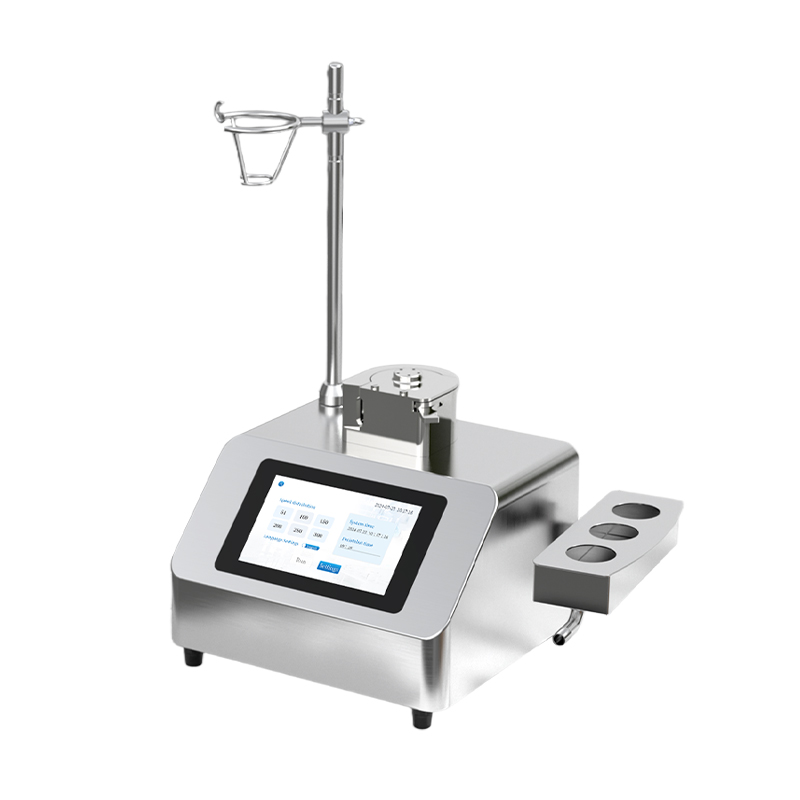
Technical Specification Comparison
The core functional requirements of a sterility testing pump are straightforward: provide controlled peristaltic pumping action at adjustable speeds, maintain aseptic conditions during operation, and withstand the cleaning and disinfection protocols required in regulated testing environments. Let us examine how HM Instruments compares on these fundamental specifications.
| Specification | HM Instruments HM-JJ1 | HM Instruments HM-JJ2 | Typical International Brand |
|---|---|---|---|
| Speed Range | 1 to 300 rpm | 1 to 300 rpm | Variable, typically 1 to 300 rpm range |
| Speed Presets | 6 fixed + variable | 6 fixed + variable | Variable, some with presets |
| Pump Head Material | Plastic (peristaltic) | Stainless steel (peristaltic) | Stainless steel or proprietary cassettes |
| Shell Material | L304 stainless steel | L304 stainless steel | Various (stainless steel or plastic) |
| Touchscreen | 5-inch | 7-inch | Varies by model |
| Environmental Monitoring | No | Built-in temp/humidity display | Varies (some include) |
| Suspension Height | 340 mm | 340 mm | Varies by model |
| Power Supply | 220V/50Hz, 32W | 220V/50Hz, 40W | 100 to 240V, varies |
| Dimensions | 420 x 536 x 267 mm | 420 x 536 x 267 mm | Varies by model |
| Weight | 7.30 kg | 12.50 kg | Varies (typically 5 to 15 kg) |
The comparison reveals that HM Instruments' sterility testing pumps match or closely align with international brands on every core specification. The 1 to 300 rpm speed range is industry-standard for membrane filtration applications. The L304 stainless steel integrated shell is a construction choice that many international brands also adopt for their pharmaceutical-grade instruments. The key differentiator is the dual-model approach: offering both plastic and stainless steel pump head options gives laboratories the flexibility to choose based on their specific needs and budget, something not all international brands provide within a single product family.
Build Quality Assessment
Shell Construction
HM Instruments uses L304 stainless steel for the integrated shell on both the HM-JJ1 and HM-JJ2 models. This is the same grade used by many international manufacturers for their pharmaceutical-grade equipment housings. The integrated (seamless) construction eliminates joints and seams where contaminants could accumulate, matching the design philosophy found in instruments from Merck Millipore and Sartorius. The surface finish provides the smooth, non-porous exterior required for GMP-compliant cleaning protocols.
Pump Head Design
The peristaltic pump head design is where HM Instruments offers a notable choice. The HM-JJ1's plastic pump head is suitable for laboratories processing standard aqueous samples where chemical resistance demands are moderate. The HM-JJ2's stainless steel pump head provides the enhanced chemical resistance and durability needed for laboratories processing diverse sample types, including solvents and aggressive reagents. International brands such as Merck Millipore and Sartorius typically use their proprietary closed-system canisters or disposable cassettes, which offer sterility assurance benefits but introduce ongoing consumable costs that can significantly impact total cost of ownership.
Touchscreen Interface
Both HM Instruments models feature capacitive touchscreens with intuitive menu structures. The HM-JJ1's 5-inch display provides essential speed and status information, while the HM-JJ2's 7-inch display offers a more comprehensive view of operational parameters including the built-in temperature and humidity readout. International brands also provide touchscreen interfaces, with display sizes and functionality varying by model and price tier. HM Instruments' touchscreen implementation is functional and responsive, serving the primary operational need of speed selection and monitoring effectively.
Total Cost of Ownership Analysis
Initial Investment
International brands command significant premiums for their sterility testing pump systems, reflecting decades of brand equity, extensive validation documentation, and comprehensive product ecosystems. For many laboratories, particularly those in emerging markets or with moderate testing volumes, this premium can strain procurement budgets. HM Instruments positions its products at a substantially more accessible price point while maintaining the core technical specifications needed for compliant membrane filtration testing.
Consumable Costs
The consumable cost structure differs significantly between HM Instruments and international brands. Merck Millipore's Steritest and Sartorius's Microsart systems use proprietary closed-system cassettes or canisters that must be purchased from the original manufacturer. While these closed systems provide excellent sterility assurance, they create an ongoing consumable dependency that adds substantially to the annual operating cost. HM Instruments' peristaltic pump head design uses standard laboratory tubing and compatible membrane filtration assemblies, giving laboratories the flexibility to source consumables from multiple suppliers, often at lower costs.
Service and Maintenance Costs
For laboratories in China, HM Instruments' 280-outlet service network provides a clear cost advantage. Service response within hours rather than days, local spare parts availability within 1 to 5 working days, and competitive service pricing all contribute to a lower total cost of ownership over the instrument's lifecycle. International brands typically rely on regional distributors for service support, which can result in longer response times, higher travel charges for on-site service, and imported spare parts costs that include shipping and customs duties.
Training and Onboarding
HM Instruments provides on-site training during installation, comprehensive operation manuals, and video tutorials at no additional charge. The intuitive touchscreen interface on both models reduces the learning curve for new operators. International brands also provide training, but on-site training may incur additional charges depending on the distributor arrangement and geographic location.
Where International Brands Maintain Advantages
It is important to acknowledge the areas where international brands continue to hold advantages. Merck Millipore and Sartorius offer comprehensive, pre-validated sterility testing ecosystems that include not just the pump but also validated membrane filters, culture media, and closed-system accessories designed to work together seamlessly. For large pharmaceutical companies with established regulatory relationships and extensive validation requirements, these integrated ecosystems provide convenience and risk reduction that may justify the premium.
Additionally, international brands offer extensive validation documentation packages, including Installation Qualification, Operational Qualification, and Performance Qualification protocols that have been accepted by regulatory agencies worldwide. While HM Instruments also provides IQ/OQ documentation, the depth and regulatory acceptance history of international brands' validation packages is a consideration for laboratories operating under the most stringent regulatory scrutiny.
Where HM Instruments Offers Competitive Value
Technical Specification Parity
On the specifications that matter most for membrane filtration-based sterility testing — speed range, shell material, pump head design, and operational features — HM Instruments delivers performance that is functionally equivalent to international brands. The L304 stainless steel integrated shell, adjustable 1 to 300 rpm speed range, and dual pump head options address the same testing requirements that international brands target.
Service Accessibility
The 280-outlet service network across China, with 24-hour response capability, represents a service infrastructure that no international brand can match in the domestic market. For laboratories where testing continuity is paramount, this proximity of technical support can be more valuable than marginal differences in product features.
Consumable Flexibility
Using standard laboratory tubing and filtration accessories rather than proprietary consumables gives laboratories supply chain flexibility and cost control. This is particularly important for laboratories testing a variety of sample types with different filtration requirements.
Innovation in Environmental Monitoring
The HM-JJ2's built-in temperature and humidity display integrates environmental monitoring directly into the sterility testing pump, eliminating the need for a separate monitoring instrument at the testing workstation. This is a practical innovation that addresses a common documentation requirement in GMP-regulated testing environments.
Procurement Decision Framework
For laboratory managers and procurement professionals evaluating sterility testing pump options, a structured decision framework can help ensure that the selected instrument aligns with both current operational needs and long-term strategic objectives. The following considerations provide a practical basis for comparing HM Instruments with international alternatives.
Testing Volume and Product Diversity
Laboratories processing fewer than 50 sterility tests per month will typically find the HM-JJ1 with its plastic pump head to be a cost-effective solution that meets routine testing requirements without unnecessary investment in features that remain underutilized. Laboratories processing 50 to 200 tests per month, or those testing diverse product types including solvent-based formulations, should consider the HM-JJ2 with its stainless steel pump head and environmental monitoring display. Facilities processing more than 200 tests per month should evaluate total cost of ownership across consumables, service, and validation maintenance over a five-year horizon.
Regulatory Filing Strategy
If your laboratory primarily supports product registrations within China or markets that accept Chinese pharmacopeia standards, HM Instruments' ISO 9001 certification and ChP compliance documentation provide sufficient regulatory support. For laboratories filing with the US FDA or EMA, evaluate whether the validation documentation depth from international brands justifies the premium, or whether HM Instruments' IQ/OQ protocols, combined with your own PQ documentation, satisfy your regulatory filing requirements.
Service Level Requirements
Laboratories that cannot tolerate more than 24 hours of equipment downtime should weight the service accessibility factor heavily. HM Instruments' 280-outlet network with 24-hour response in China provides a service level that international brands cannot match in the domestic market. For laboratories outside China, evaluate the local distributor network for both HM Instruments and international brands to determine actual service response times in your geographic area.
Conclusion
International brands like Merck Millipore, Sartorius, and Pall Corporation have earned their reputations through decades of consistent quality, comprehensive product ecosystems, and extensive regulatory track records. Their products remain strong choices for laboratories with the highest regulatory demands and budgets that accommodate premium pricing.
HM Instruments has achieved a level of technical specification and build quality that aligns closely with these international standards. The L304 stainless steel construction, peristaltic pump head options, adjustable speed range, and integrated environmental monitoring on the HM-JJ2 represent a product design that addresses the same functional requirements as international alternatives. When combined with the 280-outlet service network, consumable flexibility, and more accessible pricing, HM Instruments offers a cost-performance proposition that makes it a practical and defensible choice for pharmaceutical, medical device, food, and environmental testing laboratories seeking reliable sterility testing capability with a competitive total cost of ownership. Laboratories are encouraged to conduct hands-on evaluations and request demonstration units to validate these findings against their specific testing requirements before making a final procurement decision.
Article address:https://www.environmentinstrum.com/industry/sterility-testing-pump-cost-performance-review.html
- Previous: Sterility Testing Pump Industry Application White Paper
- Next: no more
- Related products
- Related articles
-
09-09 2025
Negative Oxygen Ion Detector: Precision and Portability Combined
In today's world where air quality is increasingly emphasized, negative oxygen ions, known as &q···...
-
09-24 2025
Bioaerosol Detector with ATP Bioluminescence Technology for Rapid Airborne Microbe Detection
In the fields of public health, environmental monitoring, and biosafety, bioaerosol detectors have b···...
-
07-31 2025
Infrared carbon dioxide analyzer: the technological guardian of air quality
Why is precise monitoring of carbon dioxide necessary?Today, with the increasing attention to carbon···...
-
12-25 2025
Infrared CO/CO₂ Analyzer Product Knowledge Graph White Paper
I. IntroductionDocument Version: V1.0Compilation Unit: Shandong Hengmei Electronic Technology Co., L···...