Product Introduction
Environmental monitoring agencies, municipal air quality networks, and industrial hygiene departments face a persistent operational challenge: collecting representative particulate and gaseous air samples simultaneously requires either deploying separate instruments for each parameter — increasing cost, space, and calibration workload — or compromising on sampling accuracy by using a single-channel device that cannot accommodate both high-flow particulate collection and low-flow heated gas absorption. In many regulatory monitoring scenarios, PM2.5 and PM10 must be captured on filter membranes at flow rates of 16.67 L/min or higher, while gaseous pollutants like SO₂ and NOₓ require absorption in liquid media at flow rates below 1 L/min through heated lines that prevent condensation. Until now, combining both functions in a single instrument with independent channel control was either unavailable or prohibitively expensive for routine monitoring stations.
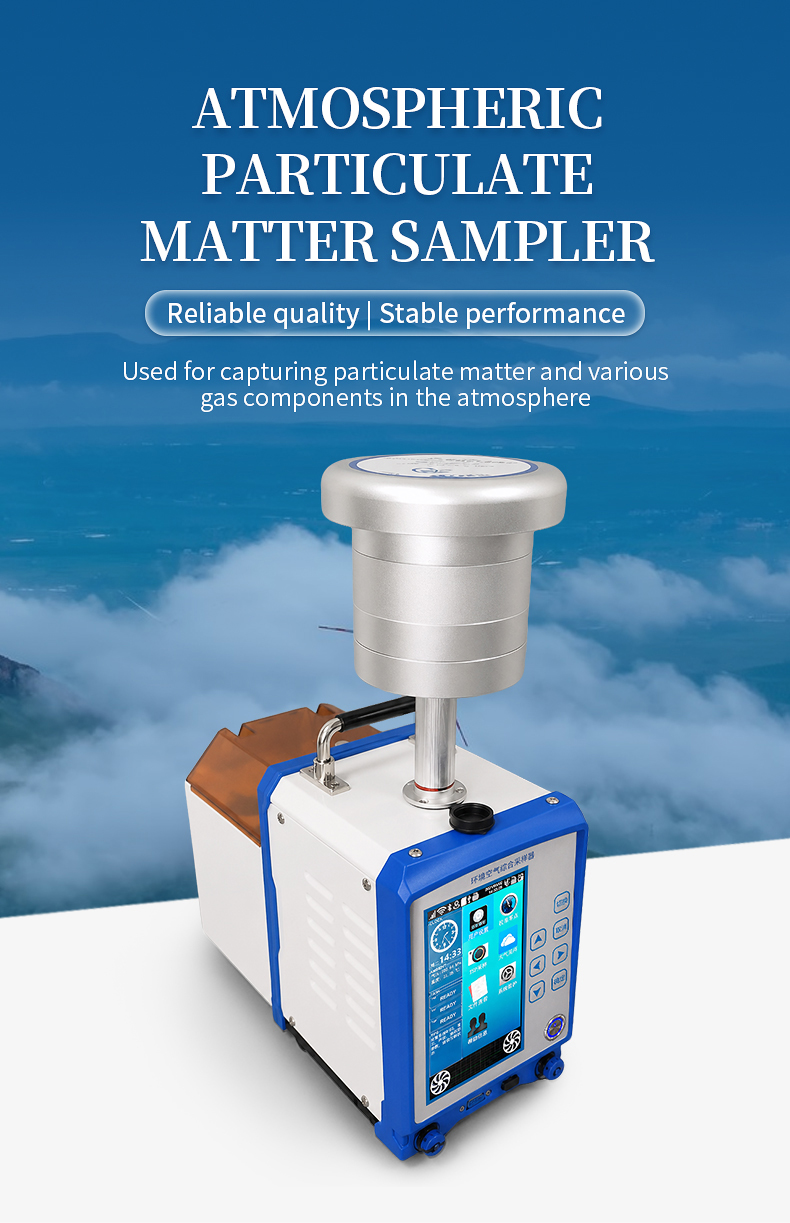
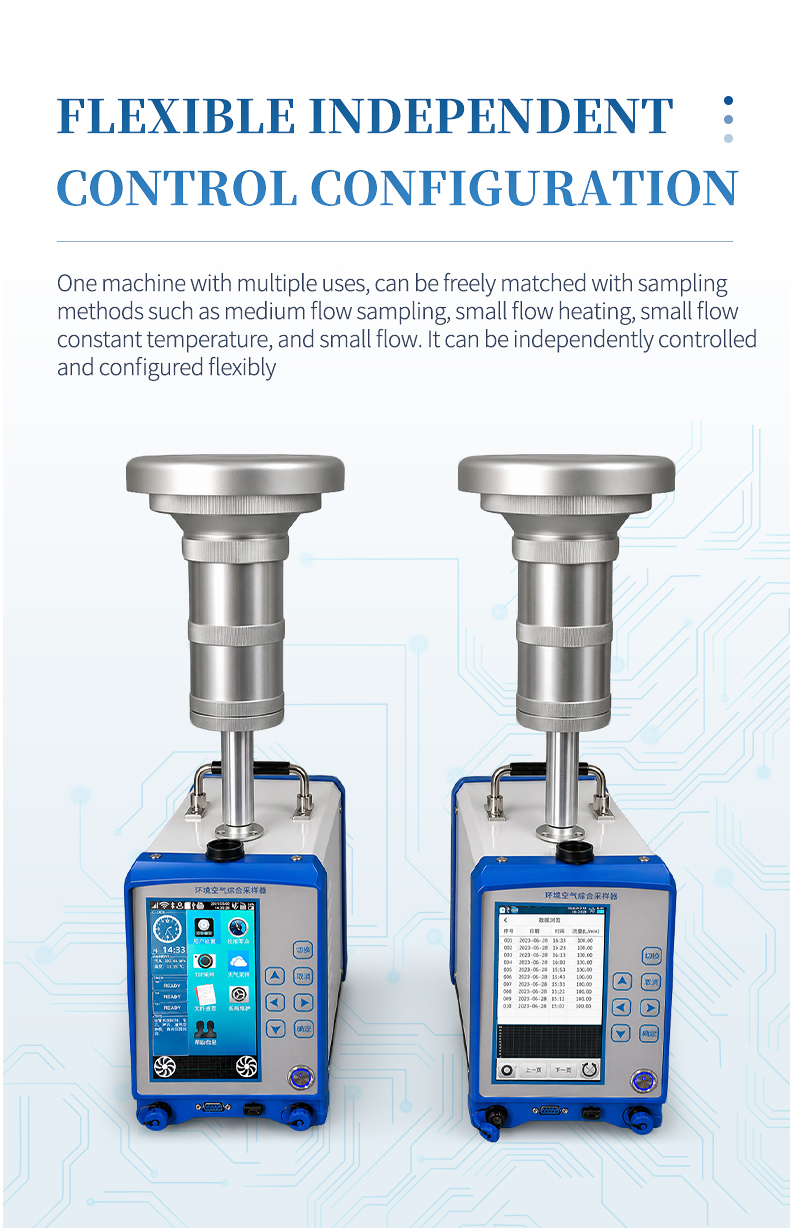
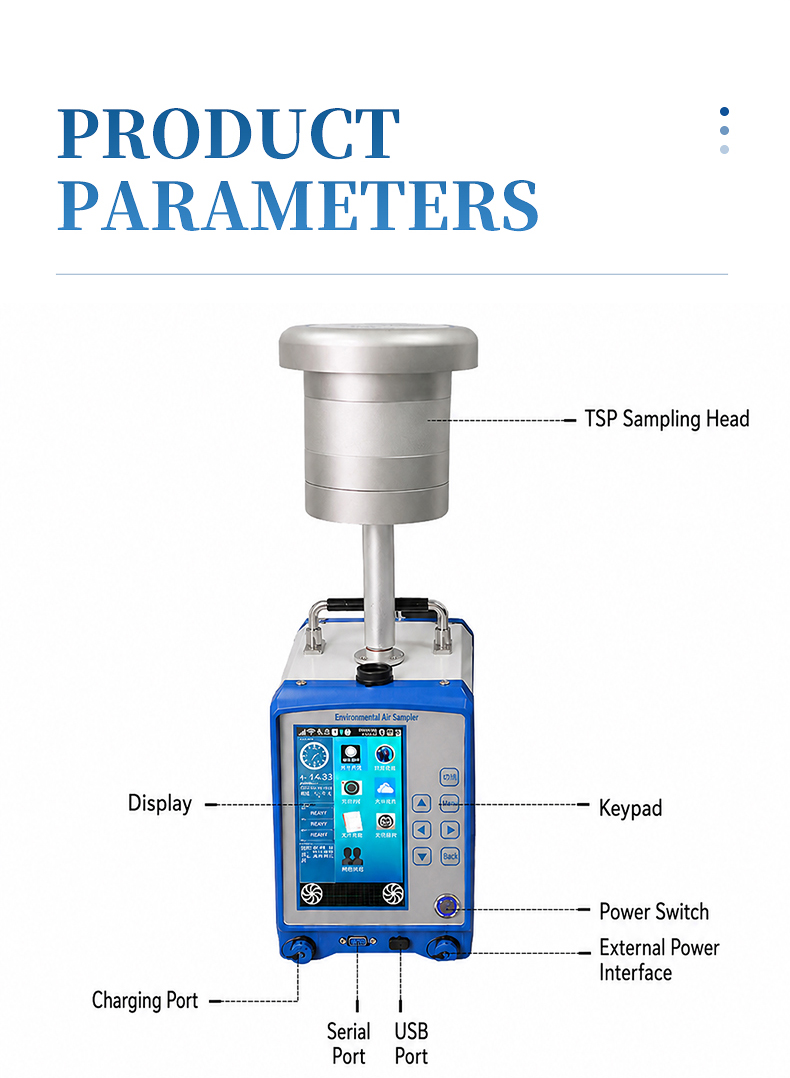
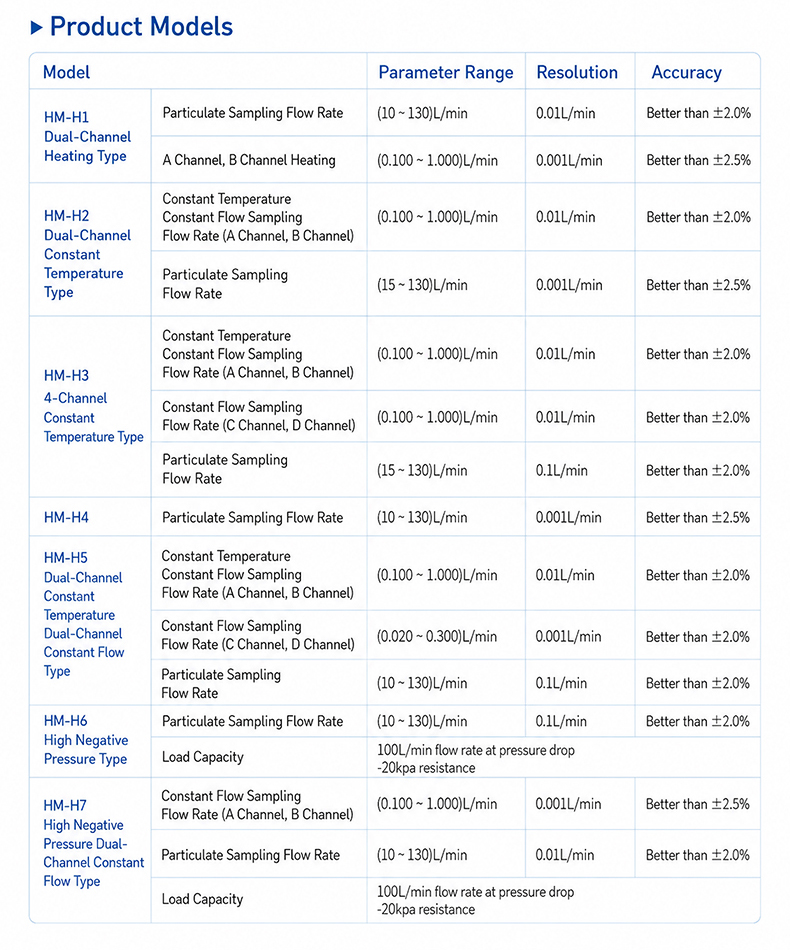
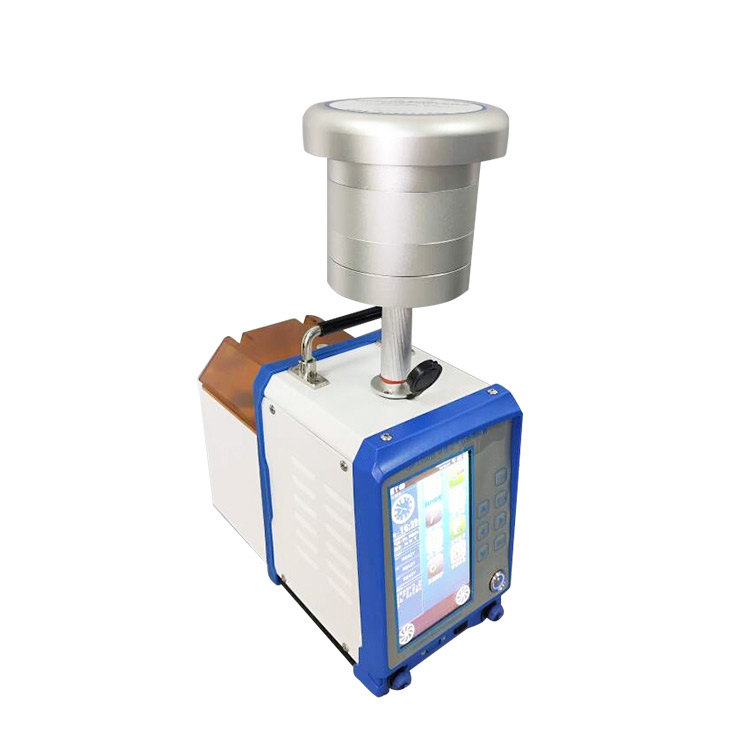
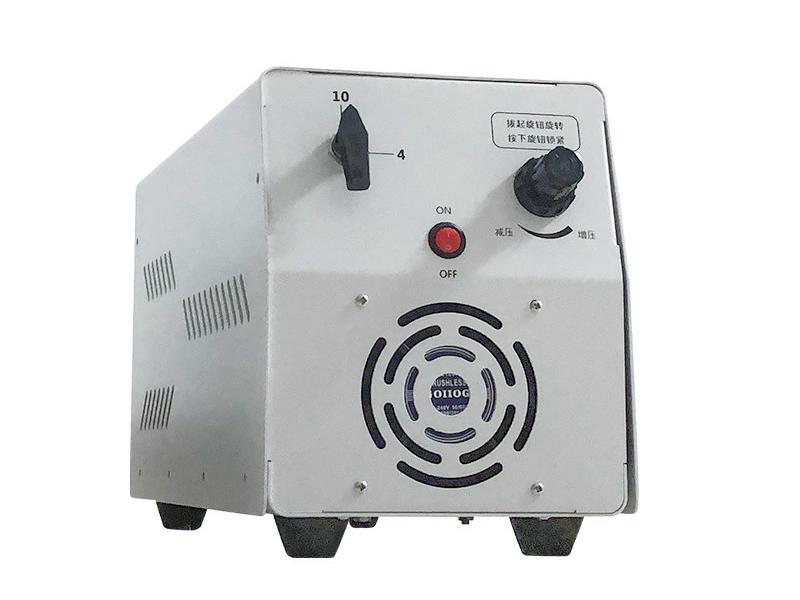
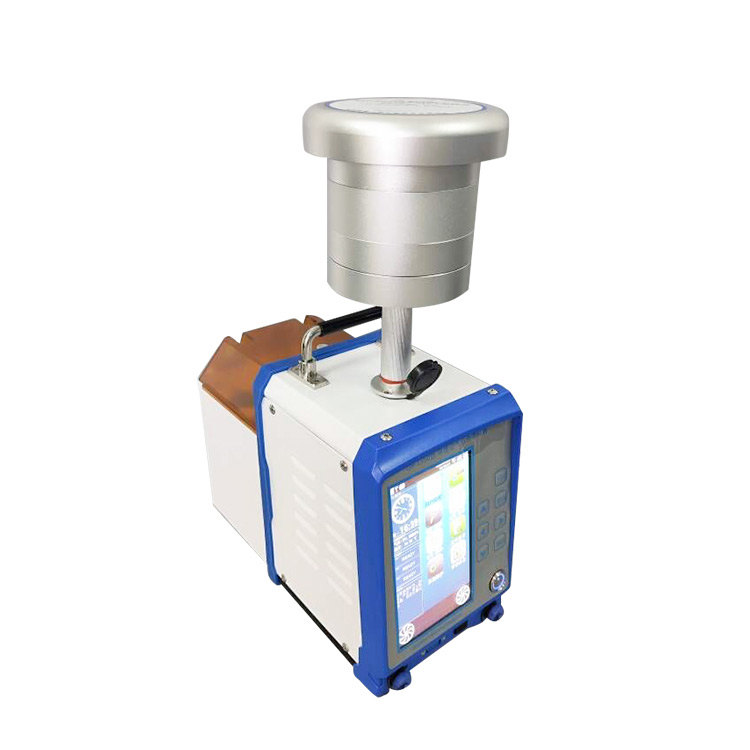
The HM-H1 dual-channel heating air particulate sampler resolves this challenge directly. It integrates a high-flow particulate sampling channel rated at 10 to 130 L/min with two independent heated gas sampling channels, each operating from 0.100 to 1.000 L/min, in a single compact enclosure measuring only 165 × 330 × 275 mm and weighing approximately 4.0 kg. The particulate channel delivers flow accuracy better than ±2.0% with 0.01 L/min resolution, while each gas channel achieves ±2.5% accuracy with 0.001 L/min resolution — providing precision that meets or exceeds the requirements of most national and international ambient air monitoring standards.
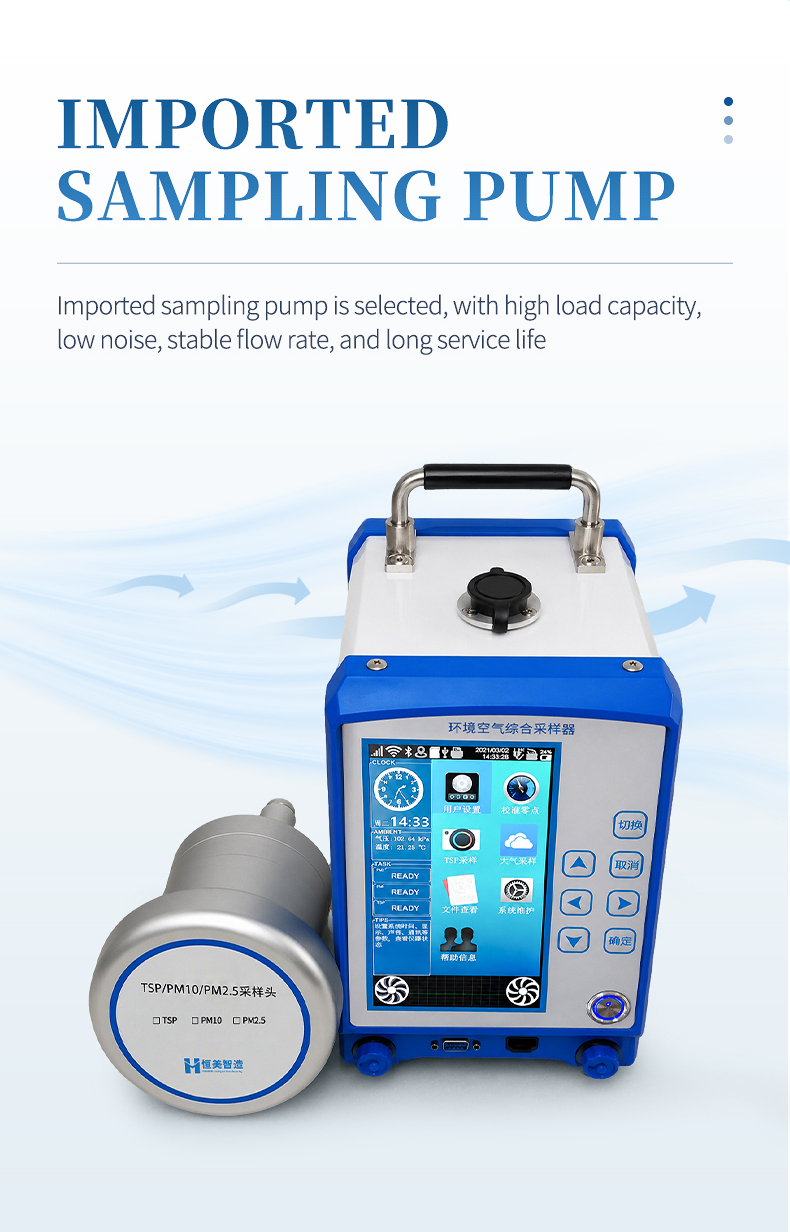
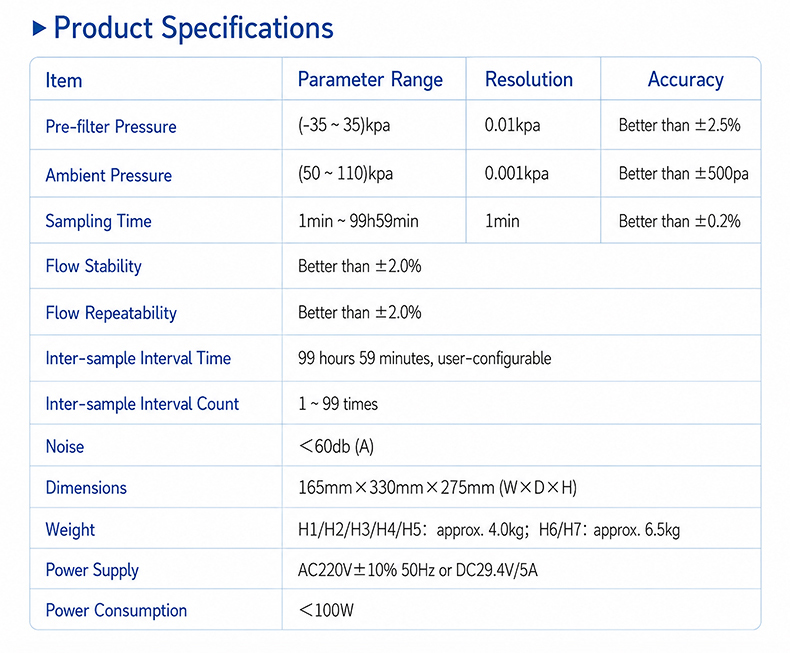
The instrument features certified PM2.5 and PM10 cutting heads with Da50 values of (2.5 ± 0.2) μm and (10 ± 0.5) μm respectively, ensuring aerodynamic size classification that complies with standard gravimetric measurement protocols. Flow stability and repeatability are both better than ±2.0%, guaranteeing consistent sample collection across multiple sampling periods. Pre-meter pressure is measured from -35 to 35 kPa with ±2.5% accuracy, and atmospheric pressure from 50 to 110 kPa with ±500 Pa accuracy, enabling automatic compensation for environmental variations. The programmable sampling timer covers 1 min to 99 h 59 min with ±0.2% accuracy, and equal-interval sampling supports up to 99 repeated cycles within a 99 h 59 min window — ideal for time-resolved monitoring programs.
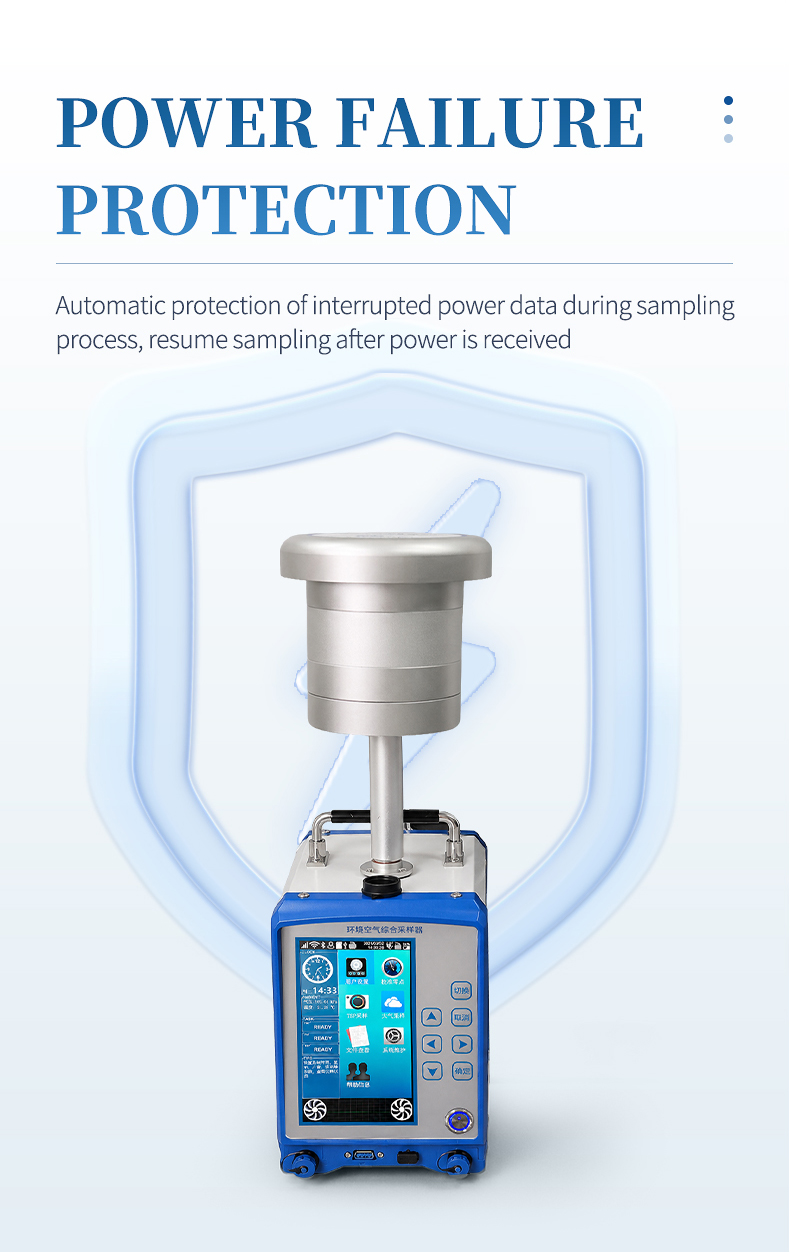
Power is supplied via AC220V ±10% 50 Hz or an optional DC29.4 V / 5 A external source, with an optional built-in 29.4 V / 10.4 AH battery for field deployment without mains access. Noise stays below 60 dB(A) and power consumption under 100 W, making the HM-H1 suitable for both indoor laboratory and outdoor shelter installations. At $757, it offers a cost-effective integrated solution that replaces two separate instruments, reducing procurement budget, calibration overhead, and station footprint for environmental monitoring organizations.
Applications
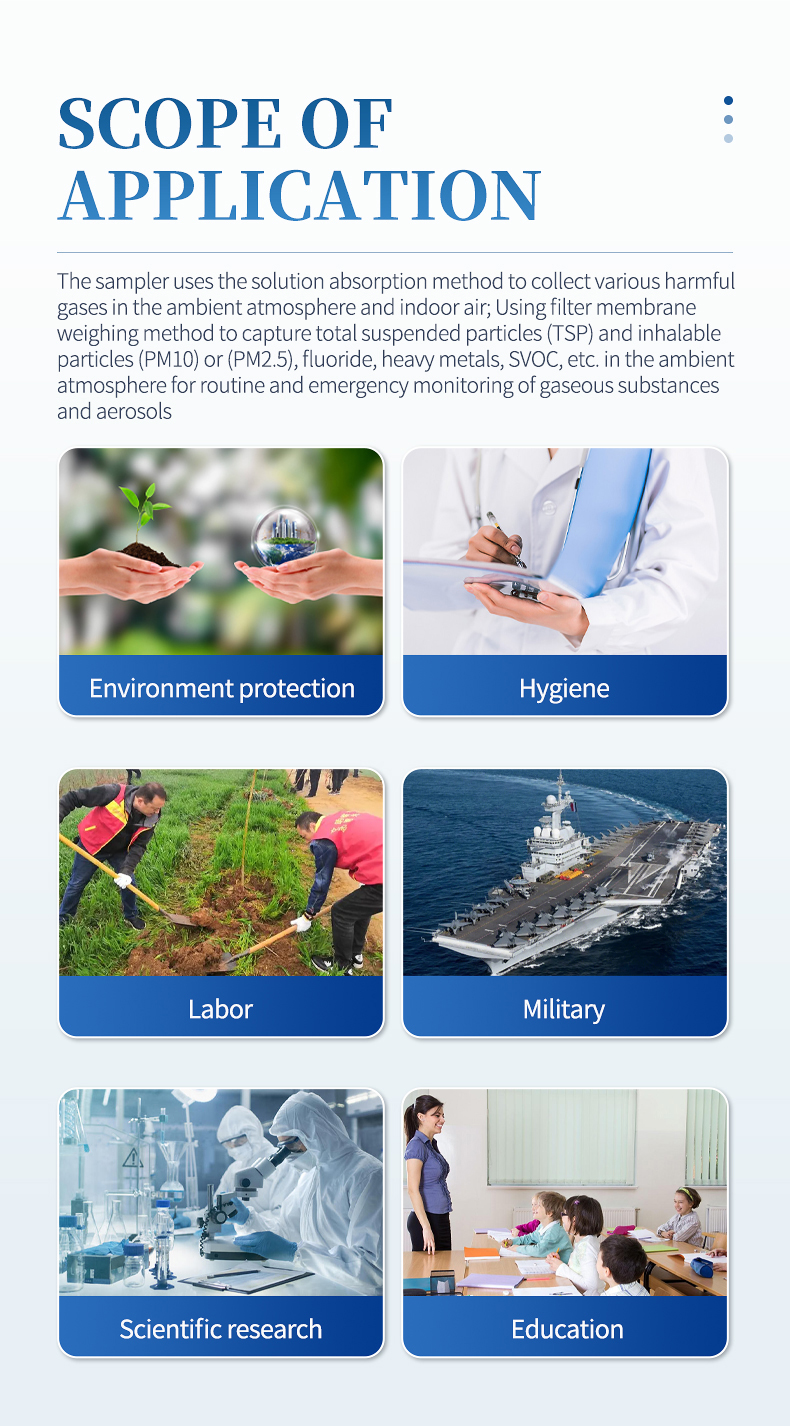
National ambient air quality monitoring network. PM2.5/PM10 gravimetric sampling and SO₂/NOₓ absorption at fixed monitoring stations for regulatory compliance reporting.
Industrial perimeter monitoring. Boundary air quality assessment around factories, mining operations, and construction sites to meet emission control regulations.
Environmental impact assessment. Baseline and operational-phase air quality surveys for proposed infrastructure projects, EIA compliance sampling campaigns.
Occupational health and workplace safety. Inhalable and respirable dust sampling combined with toxic gas monitoring in industrial hygiene programs.
Urban air quality management. Street-level and rooftop particulate and gas sampling for city air quality index reporting and pollution source attribution.
Atmospheric research and meteorological observation. Particulate concentration profiling and gas species sampling for climate and atmospheric chemistry studies.
Indoor air quality investigation. Particulate and gaseous contaminant sampling in offices, schools, hospitals, and public buildings for health and comfort assessment.
Emergency environmental incident response. Rapid deployment air sampling at chemical spill, fire, or dust event sites for acute exposure assessment.
Key Features & Advantages
Dual-channel heated gas sampling. Two independent heated gas channels (A and B) each with 0.100–1.000 L/min flow range, ±2.5% accuracy, and 0.001 L/min resolution — enabling simultaneous SO₂ and NOₓ absorption sampling without cross-interference.
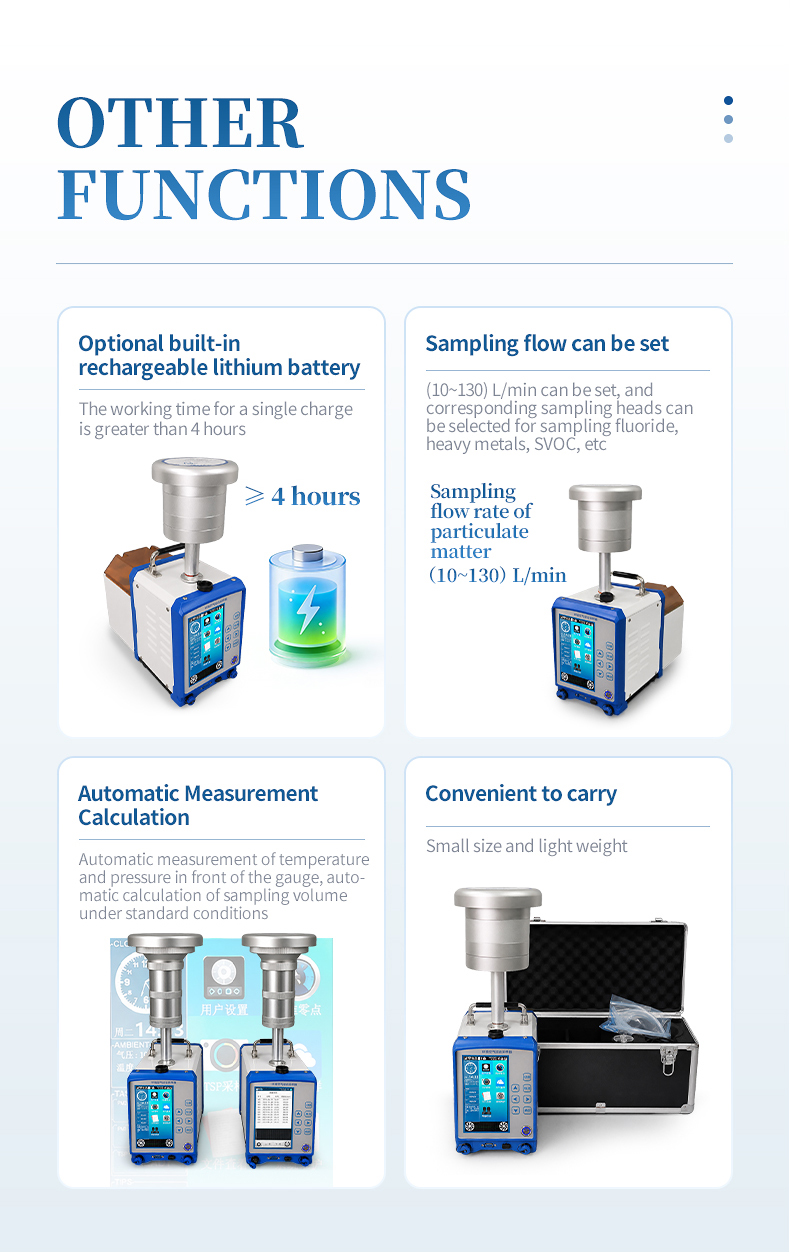
High-flow particulate channel. 10–130 L/min range with ±2.0% accuracy and 0.01 L/min resolution, accommodating PM2.5 and PM10 reference method flow rates in a single instrument.
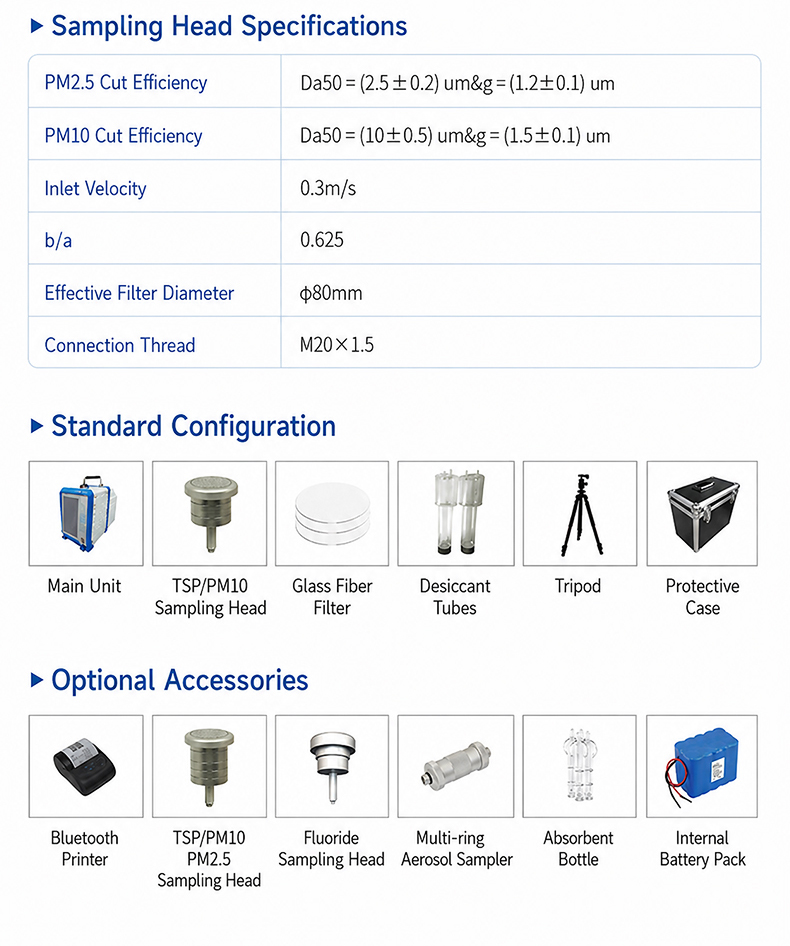
Certified PM2.5/PM10 cutters. PM2.5 Da50 = (2.5 ± 0.2) μm, σg = (1.2 ± 0.1) μm; PM10 Da50 = (10 ± 0.5) μm, σg = (1.5 ± 0.1) μm — compliant with standard aerodynamic size classification requirements.
Flow stability better than ±2.0%. Maintains constant flow throughout the entire sampling period, ensuring representative sample mass deposition on filter membranes.
Flow repeatability better than ±2.0%. Consistent performance across multiple sampling cycles supports long-term trend analysis and inter-station comparability.
Pre-meter pressure compensation. Measures -35 to 35 kPa with ±2.5% accuracy and 0.01 kPa resolution, automatically compensating for filter loading resistance changes during extended sampling.
Atmospheric pressure monitoring. 50–110 kPa range with ±500 Pa accuracy and 0.001 kPa resolution, enabling standard condition conversion of sampled volumes.
Programmable sampling timer. 1 min to 99 h 59 min with ±0.2% accuracy and 1 min resolution — supports standard 24 h and short-duration sampling protocols.
Equal-interval sampling mode. Configurable interval time within 99 h 59 min and 1–99 repeat cycles — ideal for time-resolved diurnal variation studies.
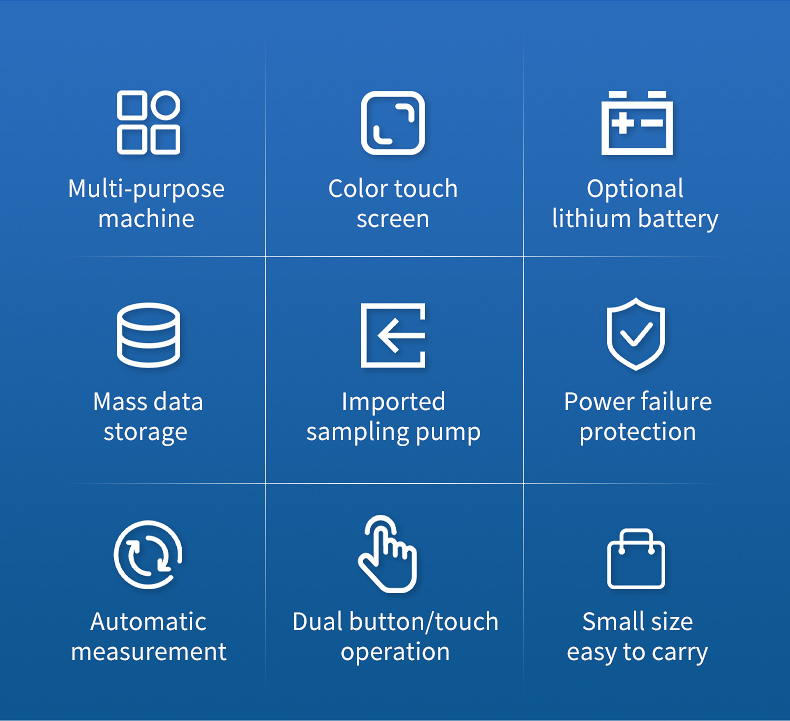
Optional built-in battery. 29.4 V / 10.4 AH lithium battery enables field deployment at remote sites without mains power access.
Dual power supply. AC220V ±10% 50 Hz or DC29.4 V / 5 A input for versatile deployment in fixed shelters, mobile stations, and temporary field setups.
Low noise operation. Below 60 dB(A) ensures minimal disturbance in residential area monitoring stations and indoor sampling environments.
Compact and lightweight. 165 × 330 × 275 mm enclosure at approximately 4.0 kg — easy to install in standard monitoring shelters or transport between sites.
Standardized filter membrane. φ80 mm effective filter diameter with 0.3 m/s inlet velocity compatible with standard gravimetric analysis protocols.
Power consumption under 100 W. Low energy demand reduces operating costs and enables solar-powered remote station configurations.
Integrated three-in-one design. Replaces separate particulate sampler and gas sampler, reducing procurement cost, calibration workload, and shelter space requirements.
Technical Specifications
| Parameter | Specification |
|---|
| Model | HM-H1 |
| Type | Dual-channel heating |
| Particulate sampling flow range | (10 ~ 130) L/min |
| Particulate flow resolution | 0.01 L/min |
| Particulate flow accuracy | Better than ±2.0% |
| A-channel heating sampling flow | (0.100 ~ 1.000) L/min |
| B-channel heating sampling flow | (0.100 ~ 1.000) L/min |
| Gas channel flow resolution | 0.001 L/min |
| Gas channel flow accuracy | Better than ±2.5% |
| Flow stability | Better than ±2.0% |
| Flow repeatability | Better than ±2.0% |
| Pre-meter pressure range | (-35 ~ 35) kPa |
| Pre-meter pressure resolution | 0.01 kPa |
| Pre-meter pressure accuracy | Better than ±2.5% |
| Atmospheric pressure range | (50 ~ 110) kPa |
| Atmospheric pressure resolution | 0.001 kPa |
| Atmospheric pressure accuracy | Better than ±500 Pa |
| Sampling time range | 1 min ~ 99 h 59 min |
| Sampling time resolution | 1 min |
| Sampling time accuracy | Better than ±0.2% |
| Equal-interval sampling time | Within 99 h 59 min, arbitrary setting |
| Equal-interval sampling times | 1 ~ 99 |
| PM2.5 cutter characteristic | Da50 = (2.5 ± 0.2) μm, σg = (1.2 ± 0.1) μm |
| PM10 cutter characteristic | Da50 = (10 ± 0.5) μm, σg = (1.5 ± 0.1) μm |
| Inlet velocity | 0.3 m/s |
| Effective filter membrane diameter | φ80 mm |
| Built-in battery (optional) | 29.4 V 10.4 AH |
| Noise | < 60 dB(A) |
| Power supply | AC220V ±10% 50 Hz or DC29.4 V / 5 A |
| Power consumption | < 100 W |
| Dimensions | 165 × 330 × 275 mm |
| Weight | Approx. 4.0 kg |
FAQ
Q1: Can the HM-H1 perform PM2.5 and SO₂ sampling simultaneously?
Yes. The HM-H1 features three independent sampling channels: one high-flow particulate channel (10–130 L/min) for PM2.5 or PM10 collection on filter membranes, and two heated gas channels (0.100–1.000 L/min each) for SO₂ and NOₓ absorption in impinger solutions. All three channels operate simultaneously with independent flow control, so a single HM-H1 can replace a separate particulate sampler and a two-channel gas sampler — reducing procurement cost and station space at $757.
Q2: What standards does the PM2.5 cutter comply with?
The PM2.5 cutting head has Da50 = (2.5 ± 0.2) μm with geometric standard deviation σg = (1.2 ± 0.1) μm, and the PM10 cutter has Da50 = (10 ± 0.5) μm with σg = (1.5 ± 0.1) μm. These aerodynamic size classification characteristics meet the requirements of standard gravimetric PM2.5 and PM10 reference methods used in national ambient air quality monitoring networks, ensuring that collected filter samples are directly comparable with regulatory measurement protocols.
Q3: How does the heated gas channel prevent condensation losses?
Each gas sampling channel (A and B) incorporates a heating element that maintains the sampling line temperature above the dew point, preventing water vapor condensation that could dissolve gaseous pollutants like SO₂ before they reach the absorption solution. This is critical for accurate measurement of water-soluble gases, especially in humid environments or during cold-season monitoring. The independent flow control at 0.100–1.000 L/min with ±2.5% accuracy ensures that the absorption efficiency remains within the specified range throughout the sampling period.
Q4: Is the HM-H1 suitable for 24-hour continuous monitoring?
Absolutely. The programmable timer supports sampling durations from 1 min to 99 h 59 min with ±0.2% accuracy, easily accommodating standard 24-hour sampling protocols. Flow stability better than ±2.0% ensures consistent sample collection throughout the entire period, even as filter loading gradually increases resistance. For extended campaigns, the equal-interval mode can automatically repeat sampling cycles up to 99 times, enabling multi-day unattended operation at fixed monitoring stations.
Q5: Can the HM-H1 operate without mains power at remote sites?
Yes. The optional built-in 29.4 V / 10.4 AH battery provides DC power for field deployment where AC mains is unavailable. Additionally, the DC29.4 V / 5 A external input supports connection to portable generators or solar power systems. At under 100 W power consumption, the instrument can operate for extended periods on battery or alternative power sources, making it practical for remote background monitoring sites, emergency response deployments, and temporary construction perimeter surveys.
Q6: How does pre-meter pressure compensation improve sampling accuracy?
The pre-meter pressure sensor measures from -35 to 35 kPa with ±2.5% accuracy and 0.01 kPa resolution, monitoring the pressure drop across the filter membrane as it loads with particulate mass during sampling. As the filter resistance increases, the instrument automatically adjusts the pump to maintain constant volumetric flow, ensuring that the sampled volume remains accurate throughout the collection period. Without this compensation, flow rates would decrease as the filter loads, leading to underestimation of particulate concentrations — particularly critical for 24-hour PM2.5 gravimetric sampling.
Q7: What is the advantage of equal-interval sampling for environmental monitoring?
Equal-interval sampling divides a monitoring period into configurable time segments with 1–99 repeated cycles, capturing diurnal variation patterns in particulate and gaseous pollutant concentrations. For example, a 24-hour period can be divided into eight 3-hour sampling intervals, providing time-resolved concentration data that reveals peak pollution hours and source contribution patterns — information that a single 24-hour integrated sample cannot provide. This mode is invaluable for source apportionment studies, traffic impact assessments, and industrial compliance monitoring where temporal resolution matters.
Article address:
https://www.environmentinstrum.com/pro8/air-particulate-sampler-environmental-monitoring.html



 +86 17853698681