Product Introduction
Environmental monitoring stations face a persistent operational challenge: conducting simultaneous gaseous pollutant and particulate matter sampling across multiple projects often requires deploying two or more separate instruments, each with its own pump, display, power supply, and data logging system. This multi-instrument approach increases capital cost, consumes limited station bench space, complicates calibration schedules, and creates synchronization difficulties when correlating gaseous and particulate data across different time stamps and flow conditions. During 24-hour continuous monitoring campaigns, managing multiple instruments simultaneously demands significant operator attention and increases the risk of data gaps caused by independent instrument failures.
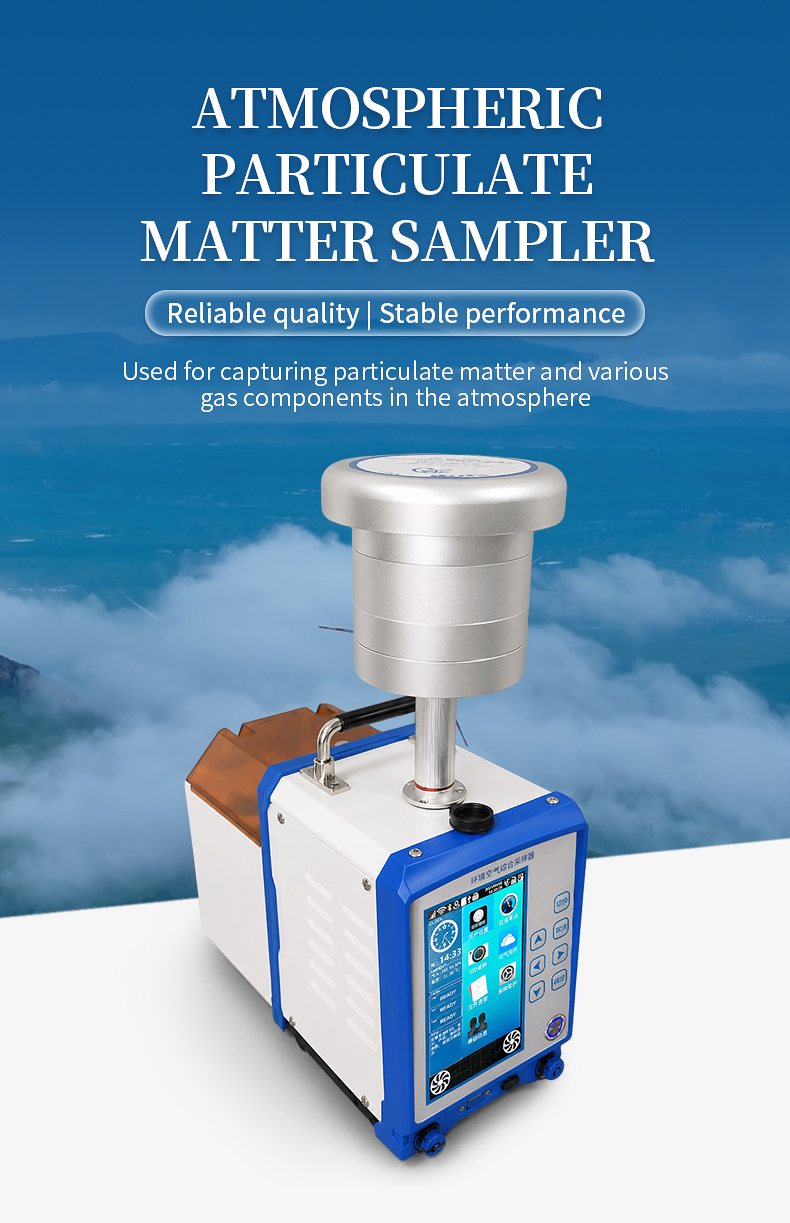
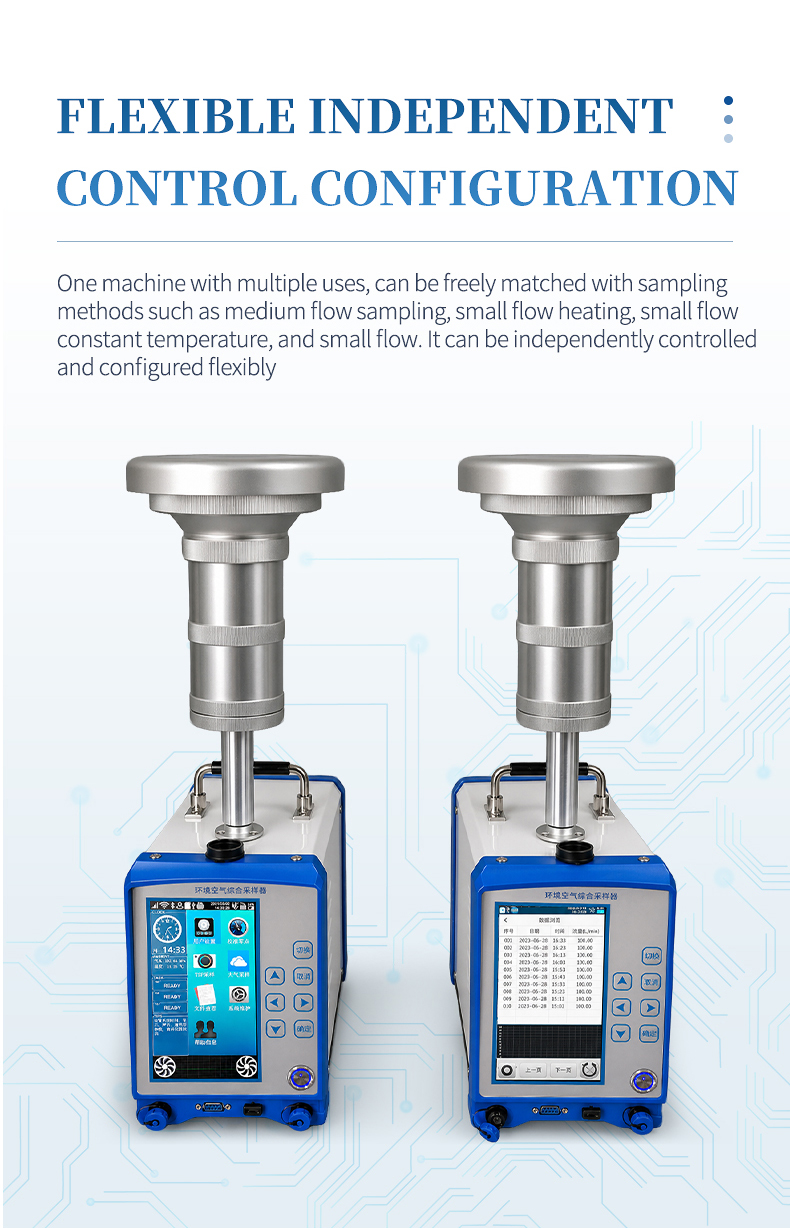
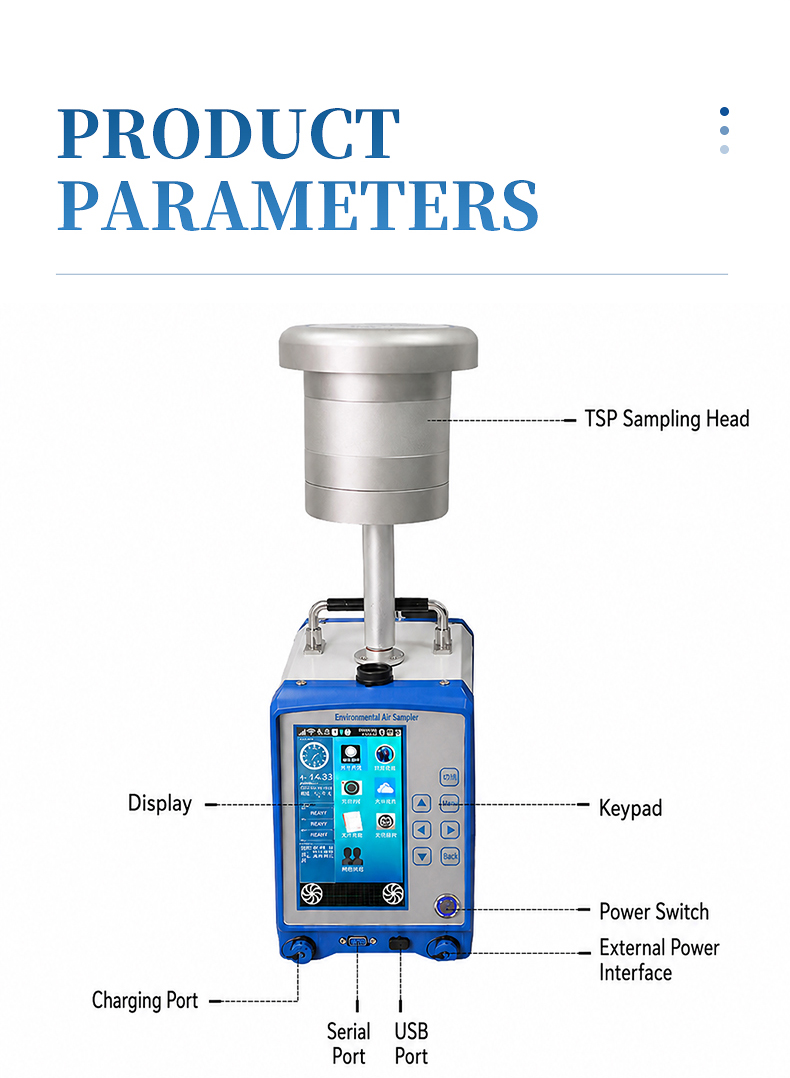
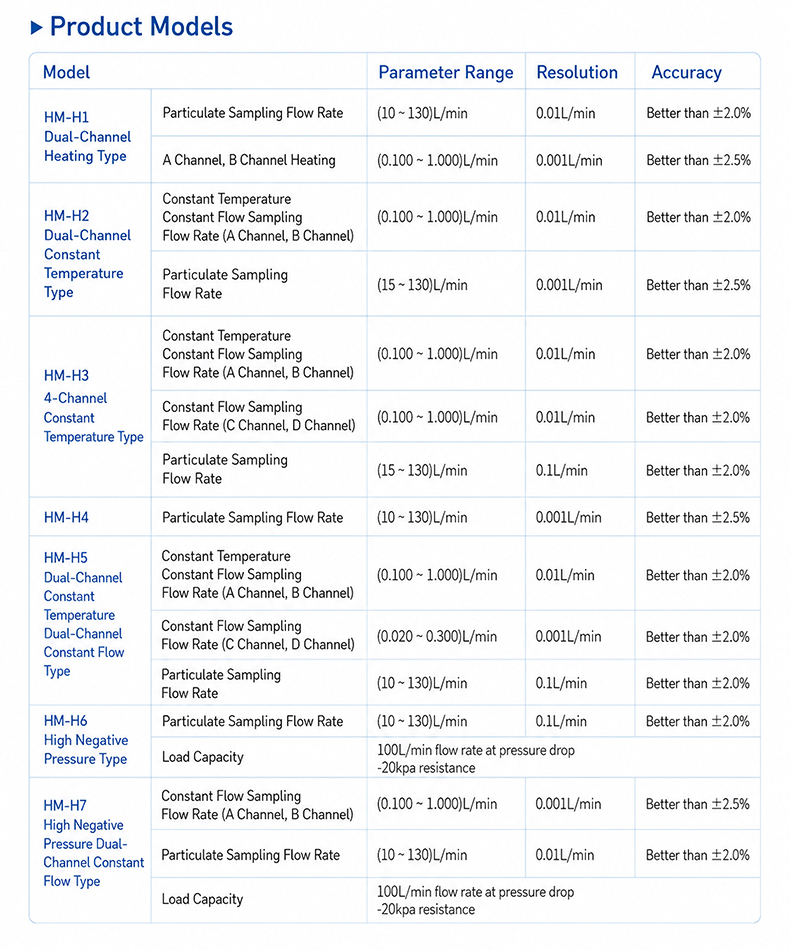
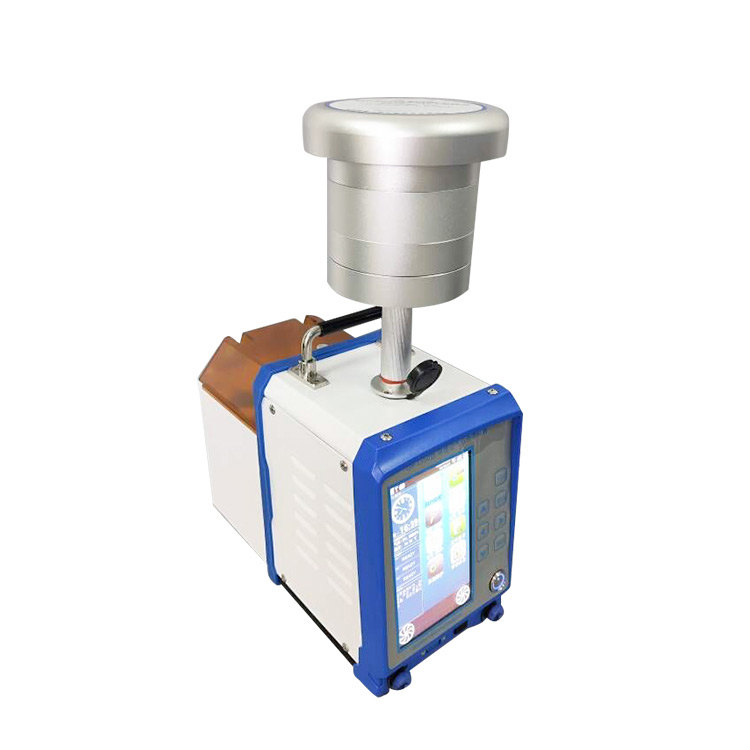
The HM-H3 four-channel comprehensive air sampler from HM Instruments directly addresses this challenge by integrating five independent sampling channels into a single 165 × 330 × 275 mm unit weighing approximately 4.0 kg. Two constant-temperature/constant-flow channels (A/B) maintain thermostatic control of gaseous sampling at 0.100 to 1.000 L/min, ensuring sample integrity under fluctuating ambient temperatures — critical for SO2 and NOx absorption solution sampling where temperature variations affect collection efficiency. Two additional constant-flow channels (C/D) provide non-heated gaseous sampling at the same flow range, suitable for adsorbent-tube-based collection of VOCs and semi-volatile organic compounds per HJ 644-2013 and HJ 583-2010. The particulate channel operates at 10 to 130 L/min with accuracy better than ±2.0%, compatible with TSP, PM10, and PM2.5 cutting heads.
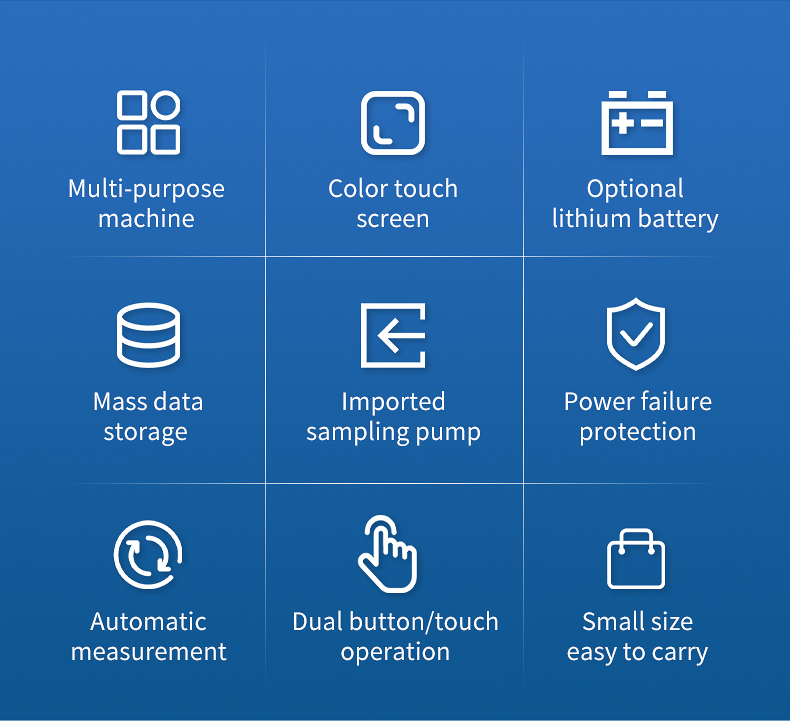
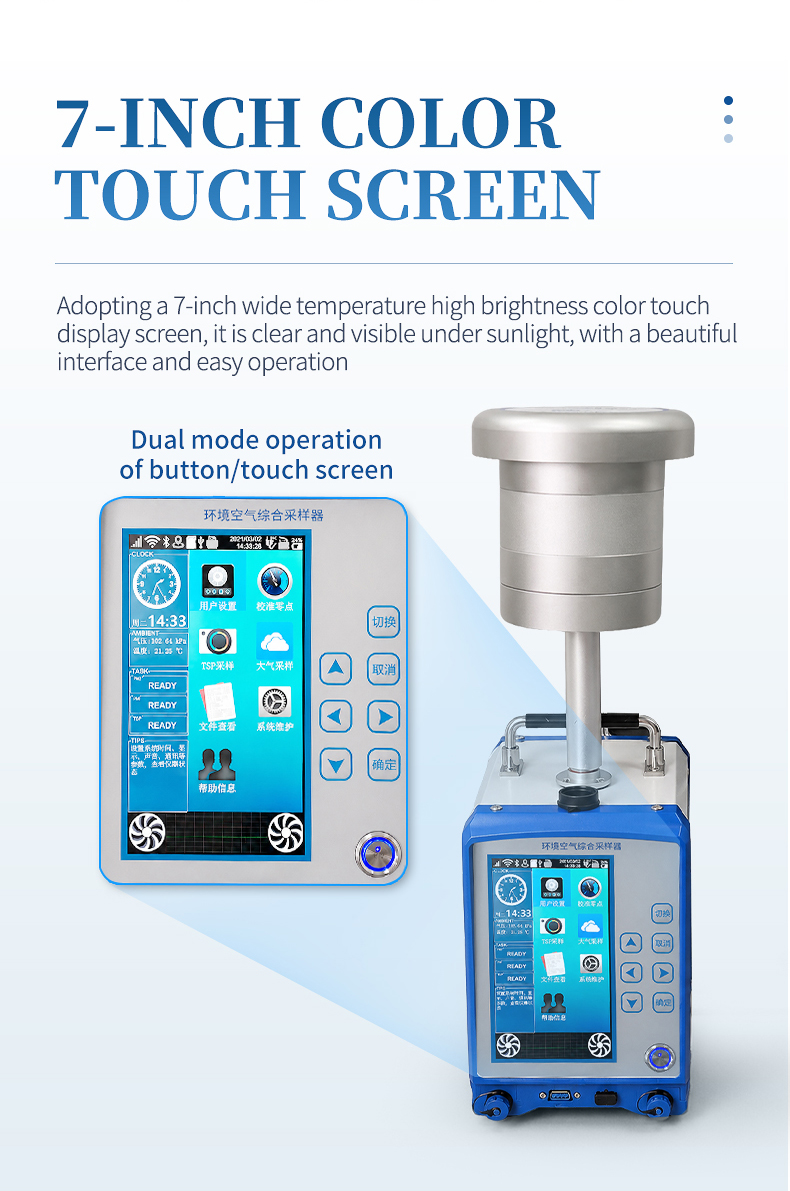
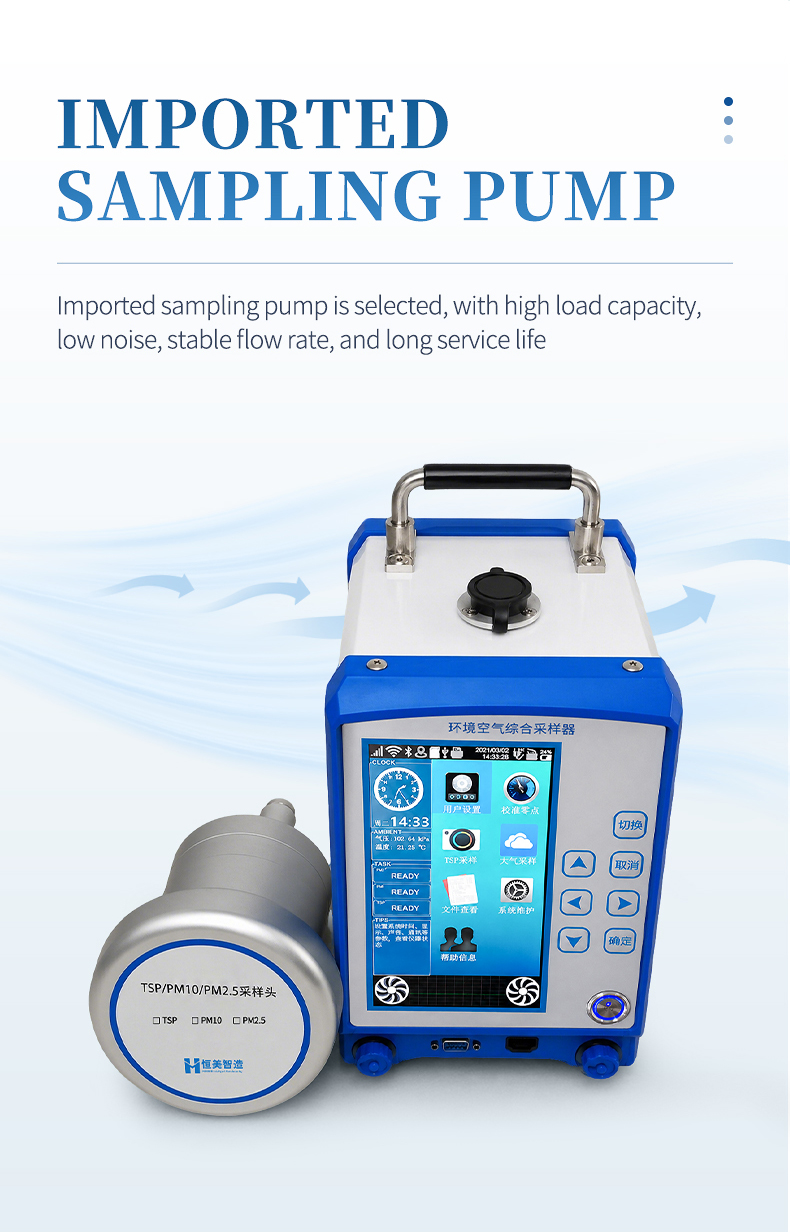
By consolidating all five channels into one instrument, the HM-H3 eliminates inter-instrument synchronization errors, reduces calibration workload by half compared to a two-instrument setup, and frees valuable bench space at monitoring stations. The imported sampling pump maintains flow stability better than ±2.0% across all channels while producing noise below 60 dB(A) — low enough for indoor station environments. Automatic pre-gauge temperature and pressure measurement with real-time standard-condition volume calculation, power failure data protection with auto-resume, and a 7-inch high-brightness color touchscreen with dual button/touch operation provide the reliability and ease of use that monitoring station technicians require for long-duration unattended operation.
At $971, the HM-H3 delivers a lower total cost of ownership than purchasing separate gaseous and particulate samplers, while providing the channel flexibility and data integrity that comprehensive monitoring programs demand. It is the instrument of choice for stations conducting multi-parameter ambient air quality assessment under HJ 93-2026 and related standards.
Applications
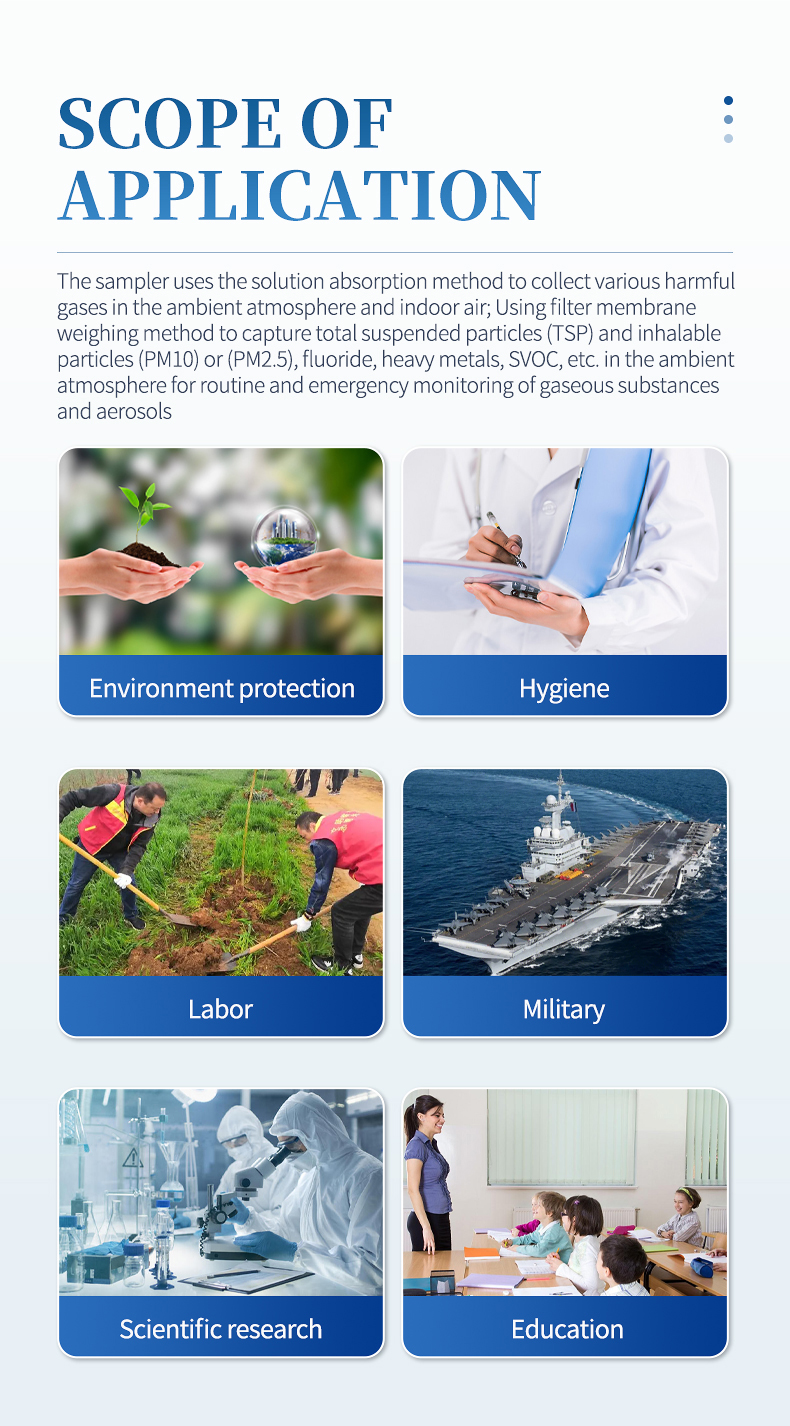
- Comprehensive ambient air monitoring stations. Simultaneous TSP/PM10/PM2.5 particulate and SO2/NOx gaseous sampling per HJ 93-2026 requirements — five channels operating in parallel from a single instrument.
- Multi-pollutant source monitoring. Industrial facility fence-line monitoring requiring concurrent characterization of particulate emissions and gaseous pollutant releases under emission permit compliance programs.
- Indoor air quality assessment. GB/T 18883-2022 compliant multi-parameter sampling in public buildings, hospitals, and schools where noise below 60 dB(A) and compact footprint are essential.
- Workplace exposure assessment. Occupational hygiene monitoring with equal-interval sampling (1–99 times) for TWA calculation across multiple gaseous analytes and respirable particulate fractions.
- Source apportionment research. Filter-based PM2.5 sampling combined with concurrent VOCs and SVOCs adsorbent-tube collection for receptor modeling and chemical mass balance analysis.
- Environmental impact assessment baseline surveys. Pre-construction ambient air characterization at proposed development sites requiring simultaneous multi-parameter data collection over extended periods.
- Emergency pollution event characterization. Rapid deployment of five sampling channels for comprehensive event delineation when time-critical multi-analyte data is needed.
Key Features and Advantages
- Five-channel parallel sampling in one instrument. Dual constant-temperature/constant-flow (Ch A/B) + dual constant-flow (Ch C/D) + particulate channel — eliminates multi-instrument coordination at monitoring stations.
- Dual constant-temperature/constant-flow channels. Thermostatic control on Ch A/B maintains gaseous sample integrity under ambient temperature fluctuations, critical for absorption-solution-based SO2 and NOx methods.
- Dual constant-flow gaseous channels. Ch C/D provide non-heated constant-flow sampling for adsorbent-tube methods (VOCs per HJ 644-2013, SVOCs per HJ 583-2010) without unnecessary heating energy consumption.
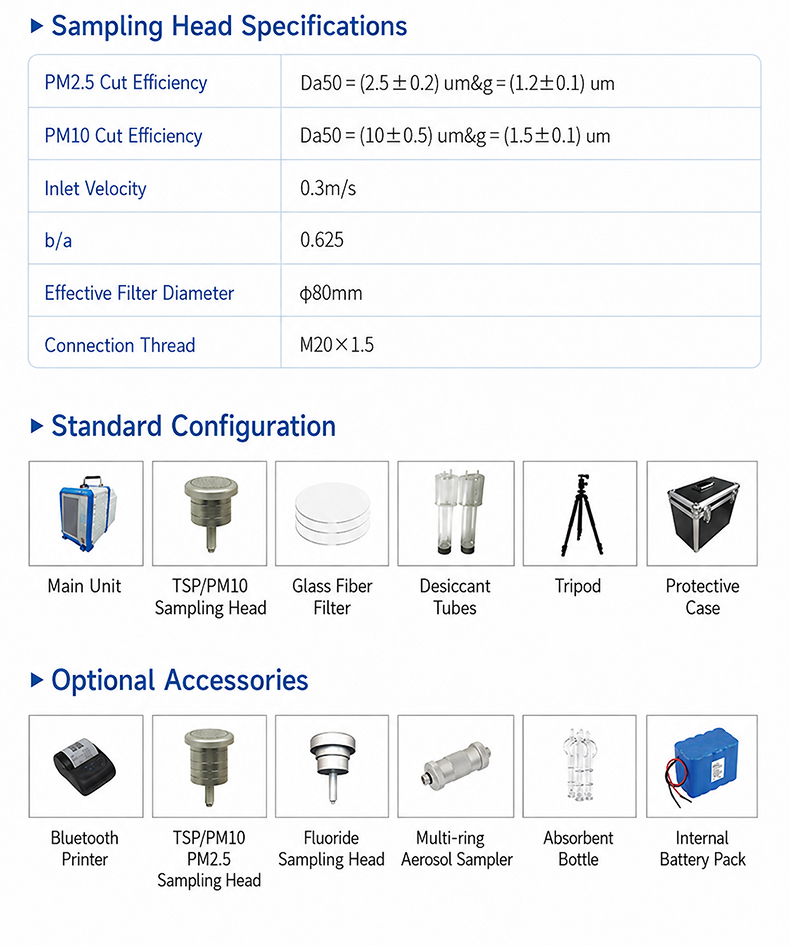
- Particulate channel 10–130 L/min. Compatible with TSP, PM10, and PM2.5 cutting heads, plus fluoride, heavy metal, and SVOC sampling heads — one channel covers all particulate sampling requirements.
- Flow accuracy better than ±2.0%. Imported sampling pump maintains precise and stable flow across all five channels simultaneously, with flow stability better than ±2.0% during extended monitoring campaigns.
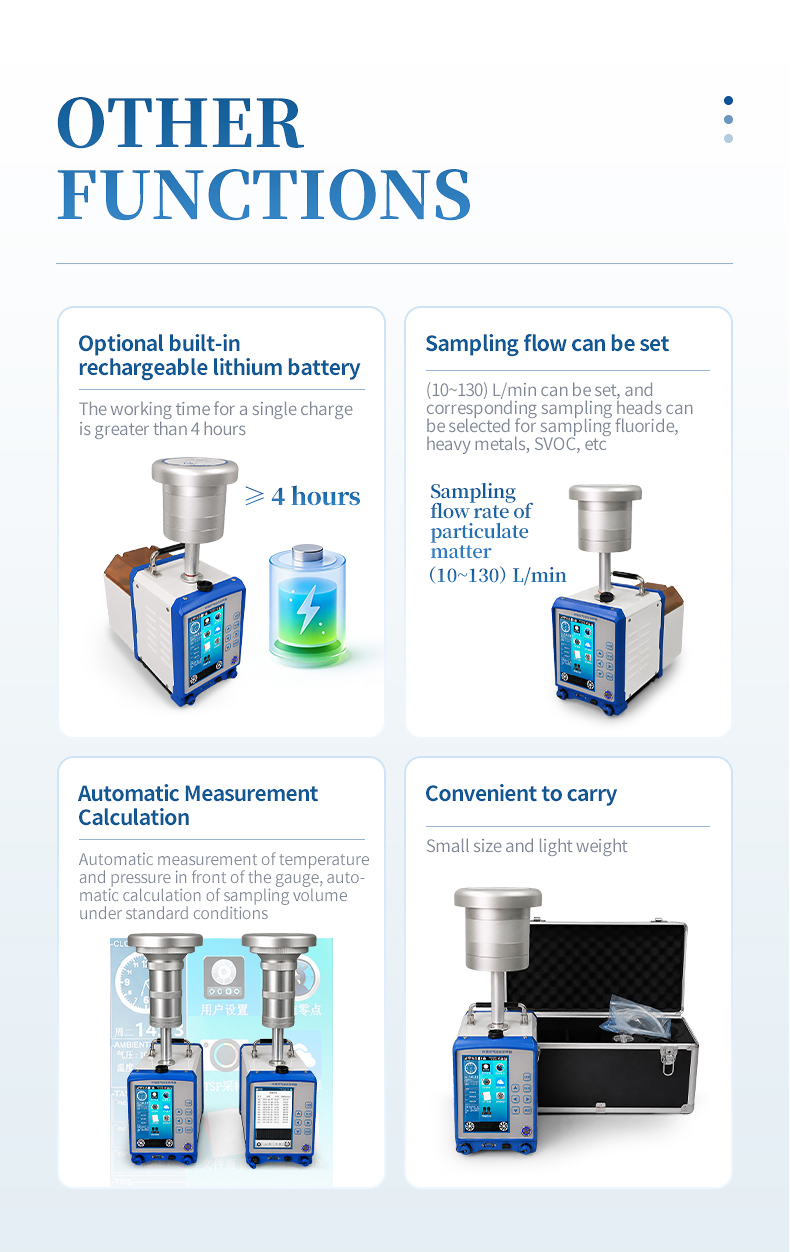
- Automatic standard-condition volume calculation. Real-time pre-gauge temperature and pressure measurement with on-board computation eliminates manual data processing errors in volume correction.
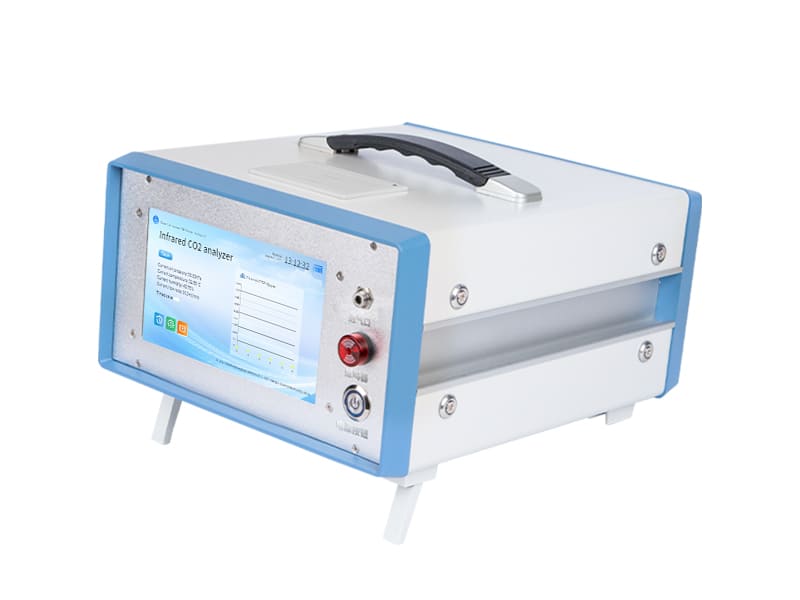
- 7-inch high-brightness color touchscreen. Wide-temperature display clearly visible under direct sunlight with dual button/touch operation — accommodates both experienced technicians and new operators.
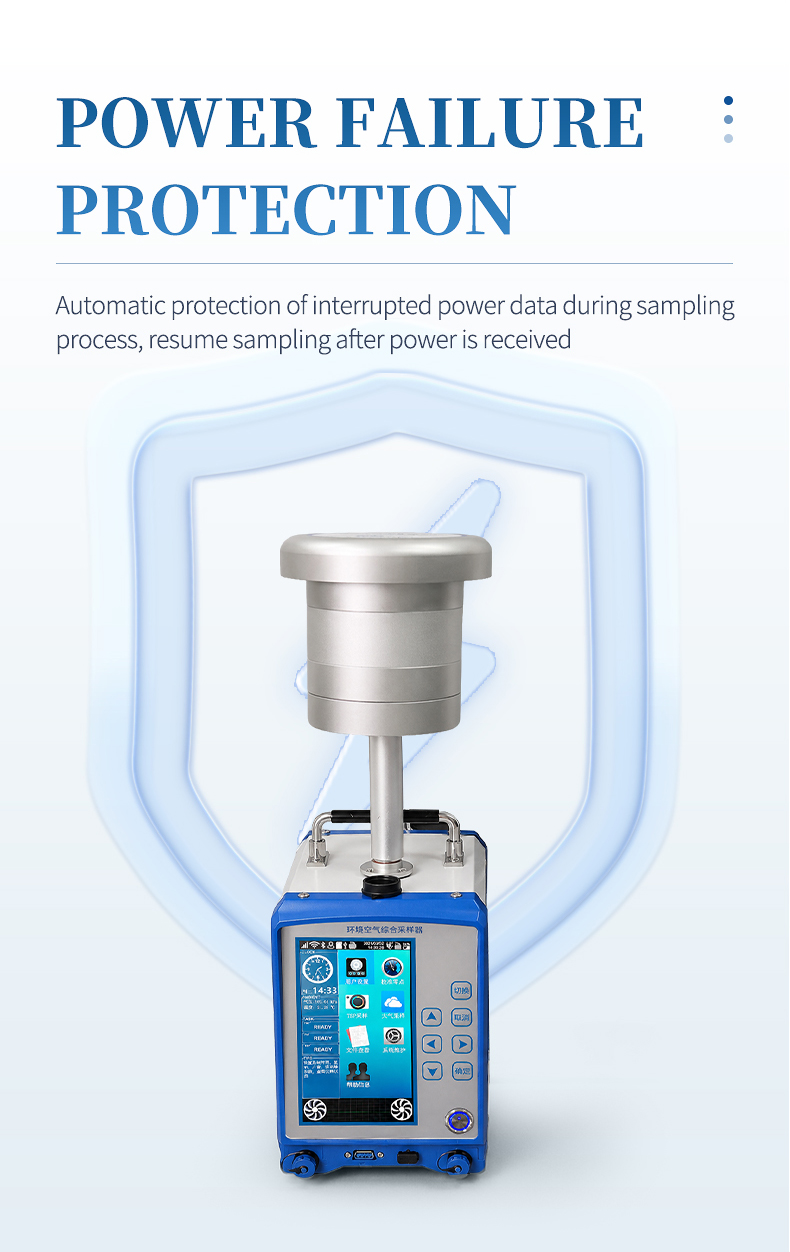
- Power failure data protection with auto-resume. Sampling data automatically saved during power interruption; sampling continues from the breakpoint after restoration — essential for unattended 24-hour station operation.
- Sampling time accuracy better than ±0.2%. Precise timing from 1 min to 99 h 59 min supports equal-interval sampling for TWA assessment and regulatory compliance reporting.
- Noise below 60 dB(A). Low operational noise suitable for indoor monitoring stations, hospitals, schools, and office environments without causing disturbance.
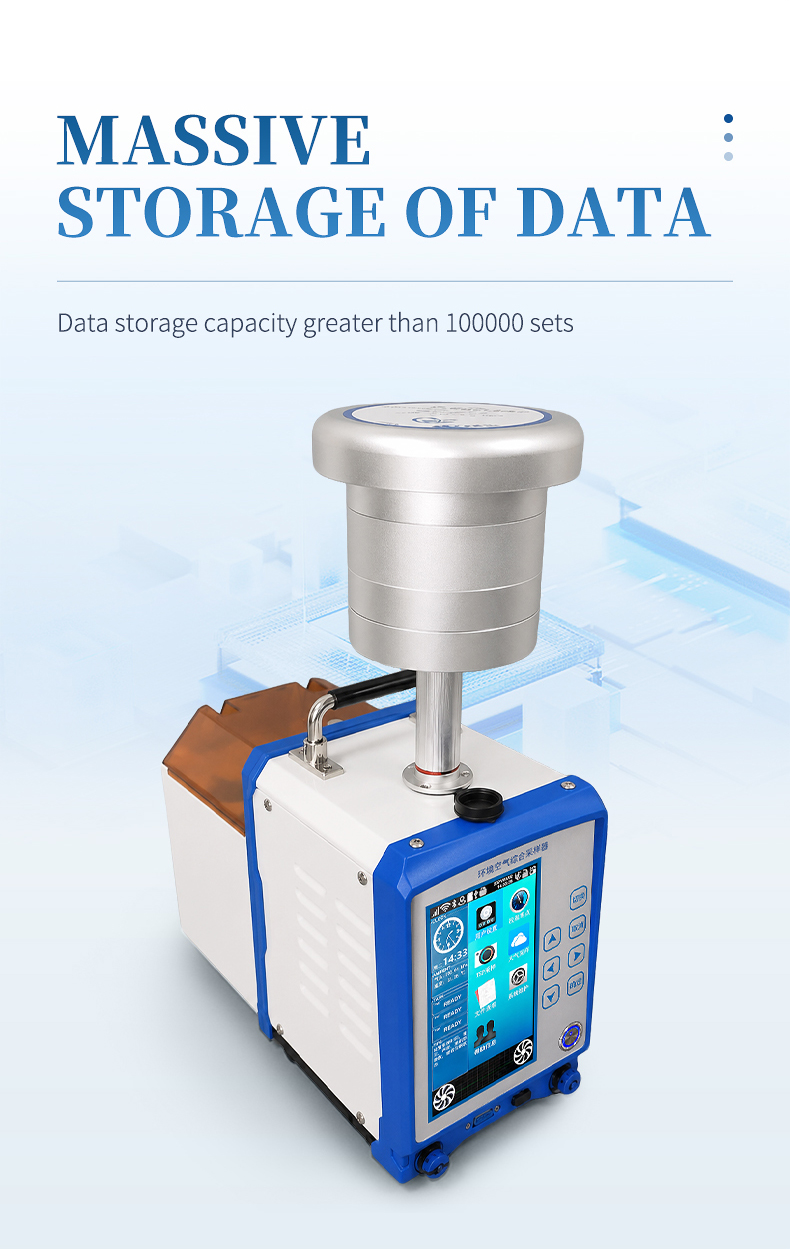
- Over 100,000 data group storage. Massive on-board data capacity supports months of continuous multi-channel monitoring without data transfer, with USB export for streamlined reporting.
- Compact 4.0 kg design. 165 × 330 × 275 mm form factor occupies minimal bench space at monitoring stations while remaining portable for inter-station redeployment.
- AC/DC dual power supply. AC220V±10% 50Hz for station mains operation, DC29.4V/5A for field deployment, with optional 29.4V 10.4AH lithium battery providing over 4 hours of autonomous operation.
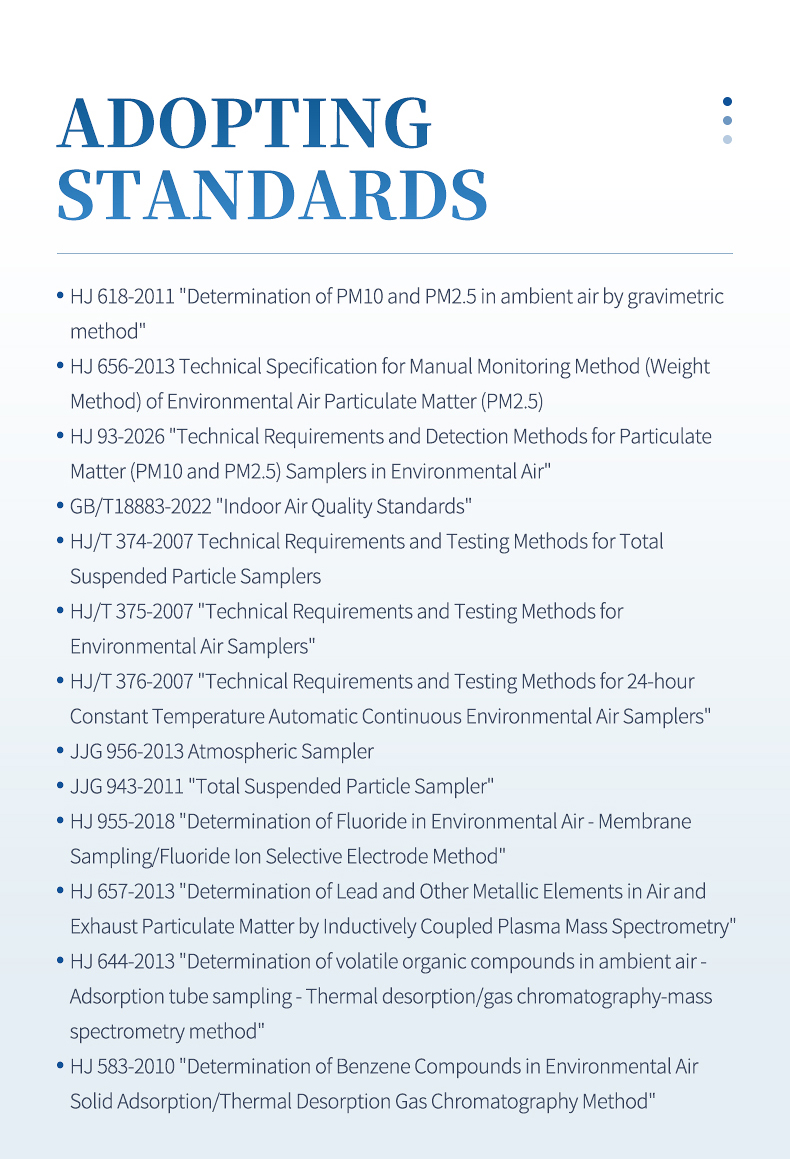
- 13 national standards compliance. Meets HJ 93-2026, HJ 618-2011, HJ 656-2013, GB/T 18883-2022, and 9 additional standards — comprehensive regulatory coverage from a single instrument.
- Lower total cost of ownership. At $971, the HM-H3 replaces two separate instruments (gaseous sampler + particulate sampler) with a single unit, reducing capital cost, calibration workload, maintenance requirements, and bench space consumption.
Technical Specifications
| Parameter | Specification |
|---|
| Model | HM-H3 (Four-channel comprehensive) |
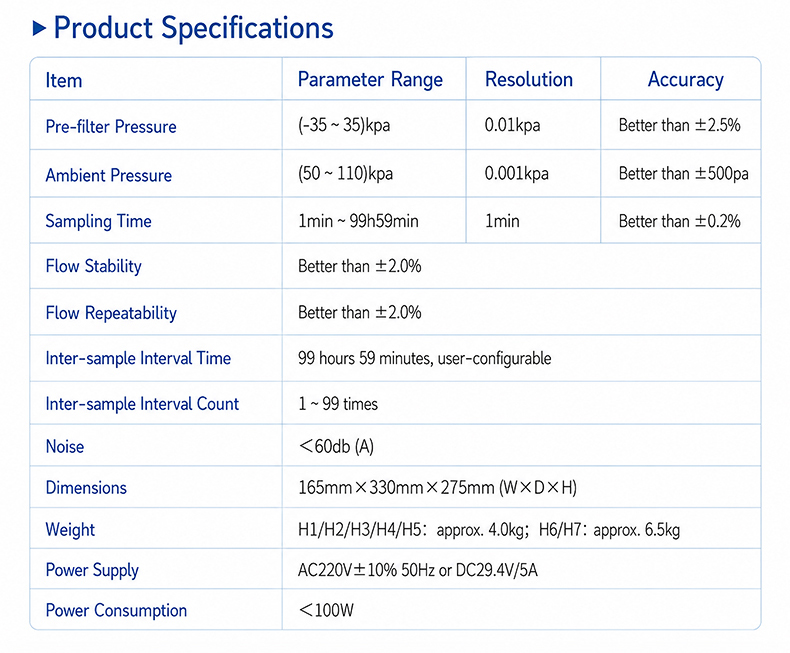
| Particulate sampling flow | (10~130) L/min |
| Particulate flow accuracy | Better than ±2.0% |
| Channel A/B flow (const-temp/flow) | (0.100~1.000) L/min |
| Channel A/B flow accuracy | Better than ±2.5% |
| Channel C/D flow (const-flow) | (0.100~1.000) L/min |
| Channel C/D flow accuracy | Better than ±2.5% |
| Flow stability | Better than ±2.0% |
| Flow repeatability | Better than ±2.0% |
| Pre-gauge pressure | (-35~35) kPa |
| Pre-gauge pressure accuracy | Better than ±2.5% |
| Atmospheric pressure | (50~110) kPa |
| Atmospheric pressure accuracy | Better than ±500 Pa |
| Sampling time | 1 min ~ 99 h 59 min |
| Sampling time accuracy | Better than ±0.2% |
| Equal-interval sampling time | Freely set within 99 h 59 min |
| Equal-interval sampling count | 1~99 times |
| Noise | <60 dB(A) |
| Dimensions (W×D×H) | 165×330×275 mm |
| Weight | Approximately 4.0 kg |
| Power supply | AC220V±10% 50Hz or DC29.4V/5A |
| Power consumption | <100 W |
| Optional battery | 29.4V 10.4AH (operating time >4 h) |
| Display | 7.0-inch wide-temperature high-brightness color touchscreen |
| Data storage | >100,000 groups |
| Standards compliance | HJ 618-2011, HJ 656-2013, HJ 93-2026, GB/T 18883-2022, HJ/T 374-2007, HJ/T 375-2007, HJ/T 376-2007, JJG 956-2013, JJG 943-2011, HJ 955-2018, HJ 657-2013, HJ 644-2013, HJ 583-2010 |
FAQ
Q1: How does the HM-H3 replace two separate samplers at a monitoring station?The HM-H3 integrates dual constant-temperature/constant-flow gaseous channels (A/B), dual constant-flow gaseous channels (C/D), and a particulate sampling channel into a single 4.0 kg unit. At a typical ambient air monitoring station that previously required one gaseous sampler for SO2/NOx absorption solution collection and one particulate sampler for PM2.5/PM10/TSP filter sampling, the HM-H3 performs both functions simultaneously. This eliminates inter-instrument timing discrepancies, halves calibration workload, reduces bench space, and lowers total capital cost — the $971 HM-H3 costs less than purchasing two separate instruments.
Q2: What is the difference between the constant-temperature/constant-flow channels and the constant-flow-only channels?Channels A/B provide constant-temperature/constant-flow operation, meaning the sampled air is heated to a controlled temperature before passing through the absorption solution. This is essential for SO2 and NOx methods where cold ambient temperatures can reduce collection efficiency and cause condensation in the impinger. Channels C/D provide constant-flow operation without temperature control, suitable for adsorbent-tube-based sampling methods such as VOCs (HJ 644-2013) and SVOCs (HJ 583-2010) where heated sampling is not required. This dual-mode design ensures each sampling method receives its optimal flow conditioning.
Q3: Can the HM-H3 perform 24-hour continuous unattended monitoring?Yes. The HM-H3 supports continuous sampling up to 99 h 59 min with timing accuracy better than ±0.2%. Power failure data protection automatically saves all sampling parameters and accumulated volumes during outages, and sampling resumes from the breakpoint after power restoration — critical for overnight and weekend unattended operation. The imported sampling pump maintains stable flow with load capacity sufficient for extended operation, and automatic pre-gauge temperature and pressure measurement ensures accurate standard-condition volume calculation throughout the monitoring period without operator intervention.
Q4: What particulate cutting heads are compatible with the HM-H3?The HM-H3 particulate channel operates at (10~130) L/min and is compatible with TSP total suspended particulate, PM10, and PM2.5 cutting heads as standard configurations. Optional sampling heads for fluoride, heavy metal, and SVOC collection are also available. The flow accuracy of better than ±2.0% across this range ensures that cutting characteristics are maintained within specification, providing representative particle size fractionation that meets the requirements of HJ 93-2026, HJ 618-2011, and HJ 656-2013.
Q5: How does the equal-interval sampling function support occupational hygiene monitoring?The HM-H3 allows equal-interval sampling time to be freely set within 99 h 59 min, with sampling count adjustable from 1 to 99 times. For occupational hygiene applications, this enables automated Time-Weighted Average (TWA) assessment over an 8-hour work shift. For example, setting 12 equal-interval samples over 8 hours provides periodic concentration data that can be integrated into a TWA calculation per occupational exposure limit methodologies. Each interval's flow, temperature, and pressure data are logged independently, providing defensible documentation for regulatory compliance.
Q6: Is the HM-H3 suitable for indoor air quality sampling in occupied buildings?Yes. The HM-H3 produces noise below 60 dB(A), which is acceptable for occupied indoor environments including hospitals, schools, and office buildings. The compact 165 × 330 × 275 mm form factor and approximately 4.0 kg weight allow placement on a standard table or tripod without disrupting normal activities. The 7-inch touchscreen enables quick setup and status checks without opening the instrument case. With the optional 29.4V 10.4AH lithium battery providing over 4 hours of autonomous operation, the HM-H3 can sample in locations without convenient AC power access while meeting the GB/T 18883-2022 indoor air quality standard requirements.
Q7: What standards does the HM-H3 comply with?The HM-H3 complies with 13 national and industry standards: HJ 618-2011 (gravimetric PM determination), HJ 656-2013 (PM2.5 monitoring), HJ 93-2026 (PM10/PM2.5 sampler specification), GB/T 18883-2022 (indoor air quality), HJ/T 374-2007 (sampler technical requirements), HJ/T 375-2007 (sampler calibration), HJ/T 376-2007 (sampler method), JJG 956-2013 and JJG 943-2011 (metrological verification), HJ 955-2018, HJ 657-2013, HJ 644-2013 (VOCs), and HJ 583-2010 (SVOCs). This comprehensive standards coverage enables the HM-H3 to serve as a single instrument for multi-standard monitoring programs.
Article address:
https://www.environmentinstrum.com/pro8/four-channel-air-sampler-environmental-station.html



 +86 17853698681