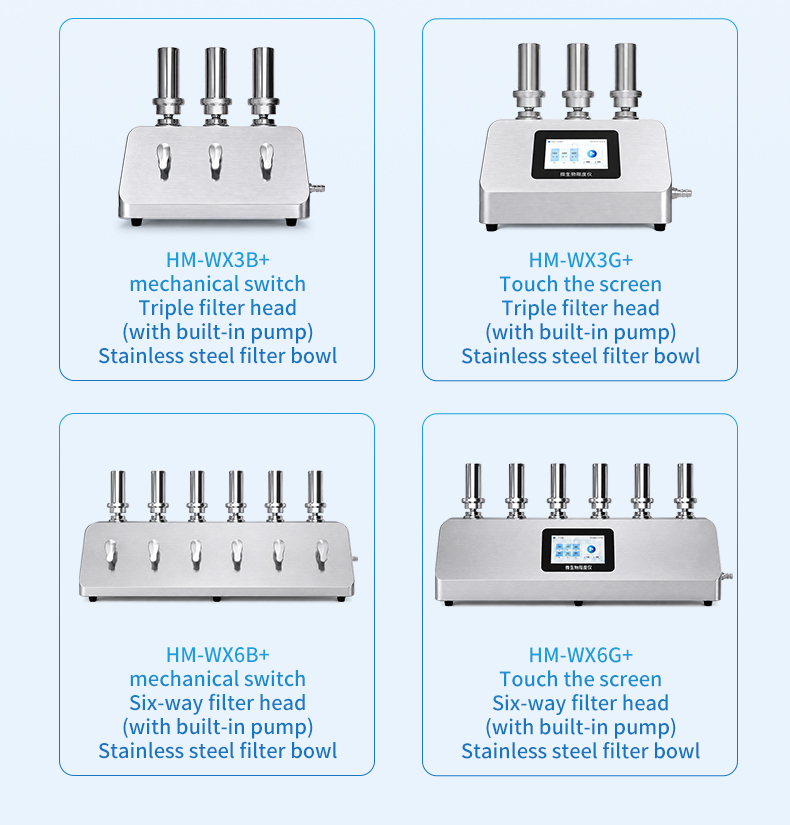
Product Introduction
Regulated pharmaceutical quality control laboratories face dual challenges in microbiological limit testing: ensuring that each filtration step is performed with precisely controlled timing to eliminate operator-dependent variability, and maintaining a documented audit trail that satisfies GMP inspection requirements. Manual stopwatch timing introduces human error — different operators may start and stop filtration at slightly different points, leading to inconsistent sample volumes passing through the filter membrane. Furthermore, disposable filter cups generate ongoing costs that complicate budgeting and supply chain management, while their single-use nature conflicts with sustainability objectives increasingly emphasized in pharmaceutical manufacturing.
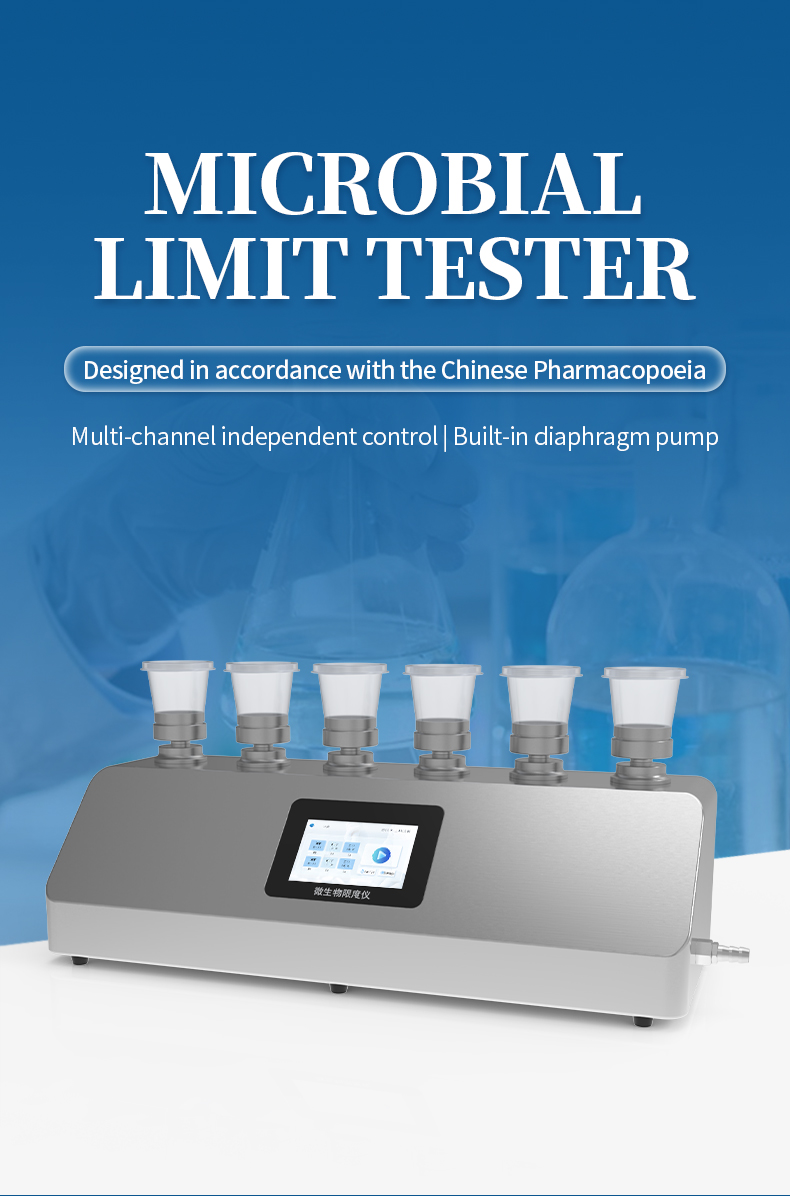
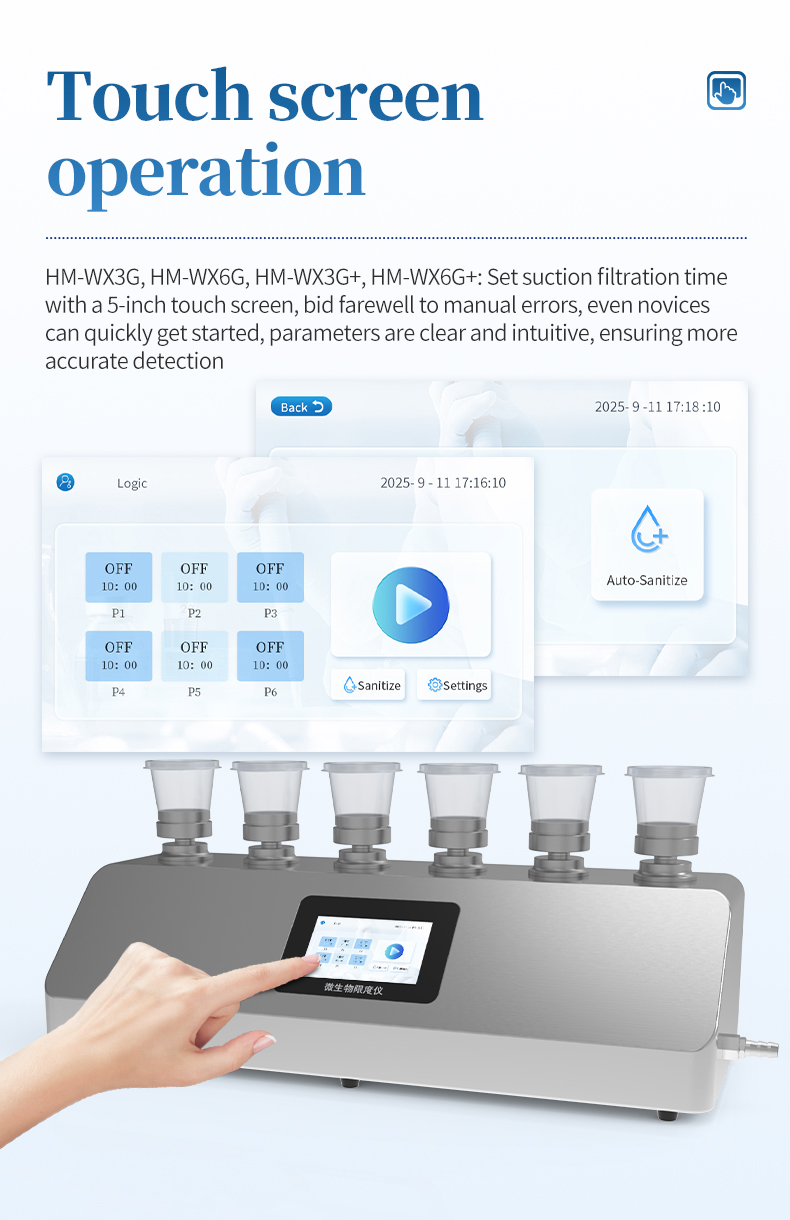
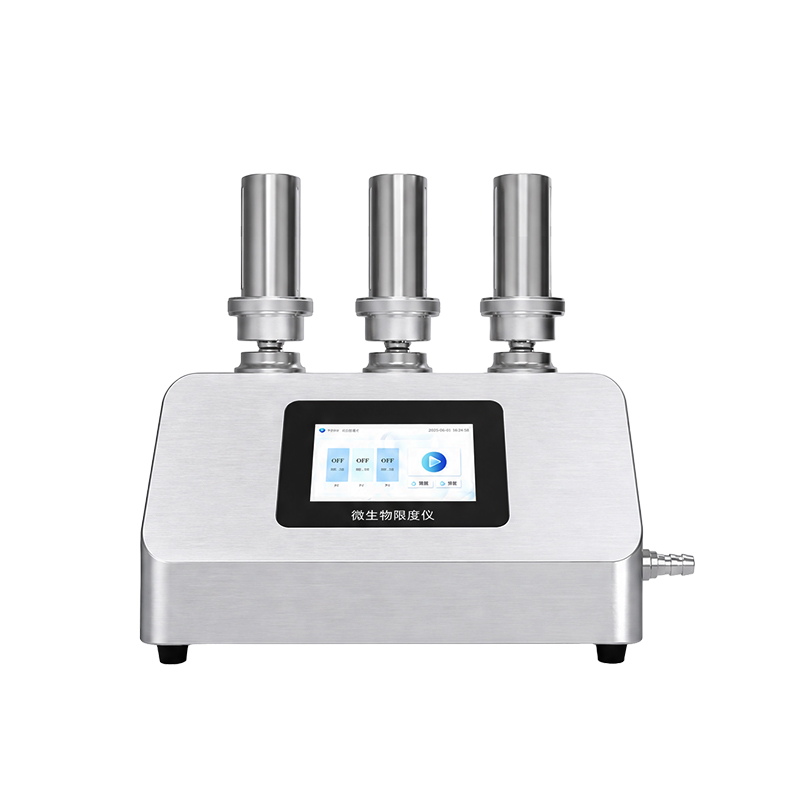
The HM-WX3G+ resolves both challenges through its 5-inch touchscreen interface and autoclavable stainless steel filter cup design. The touchscreen provides programmable filtration timers for each of the three channels, allowing the laboratory to define standard filtration durations that execute identically regardless of which technician operates the instrument. This eliminates a significant source of inter-operator variability, improving test reproducibility and data integrity — critical factors during regulatory inspections. Operation parameters and timer settings are displayed on-screen, providing visual documentation of the test conditions applied to each sample.
Each filtration channel is equipped with Ø47mm/Ø50mm stainless steel filter cups rated for repeated autoclave sterilization at 121°C. After each test session, the cups are transferred to a standard autoclave for validated steam sterilization, then returned for the next round of testing. This eliminates the recurring procurement, storage, and waste disposal costs associated with disposable cups, delivering substantial savings over the instrument's service life. The dual built-in diaphragm pumps provide stable vacuum with direct discharge capability, while the L304 stainless steel housing ensures durability in demanding QC laboratory environments. Anti-backflow protection, flame-sterilizable filter heads, and modular detachable assemblies complete a filtration platform designed for the documentation and traceability requirements of modern pharmaceutical quality control.
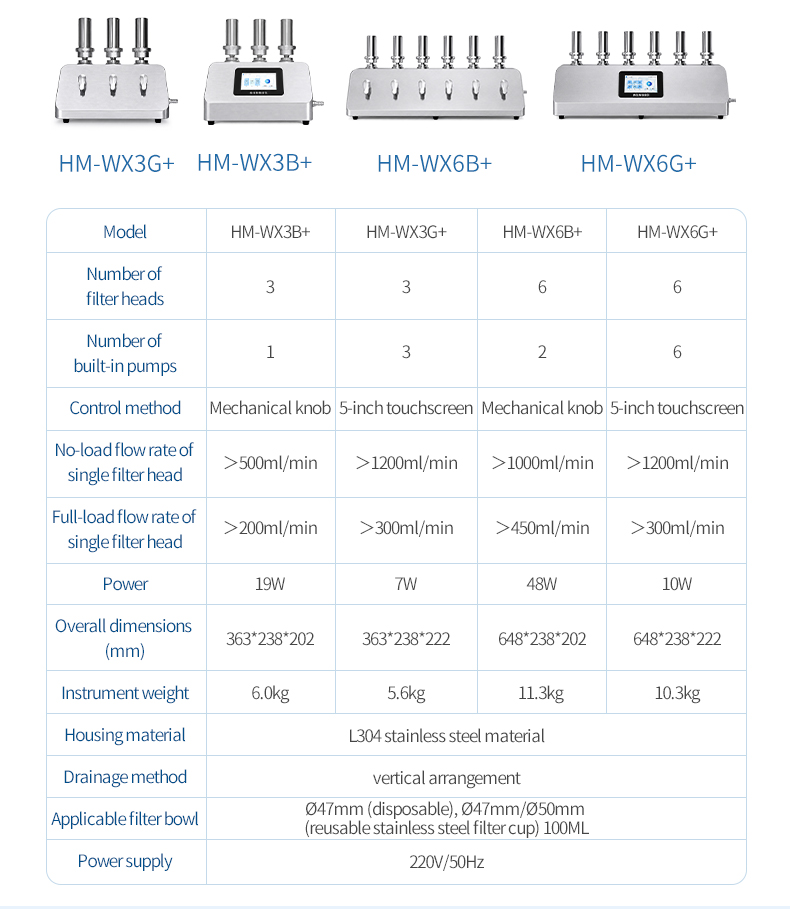
At 363 × 238 × 202 mm and 6.0 kg, the HM-WX3G+ integrates seamlessly into existing pharmaceutical QC laboratory benches, providing intelligent touchscreen-controlled membrane filtration with autoclavable cup economics in a compact, professional instrument.
Applications
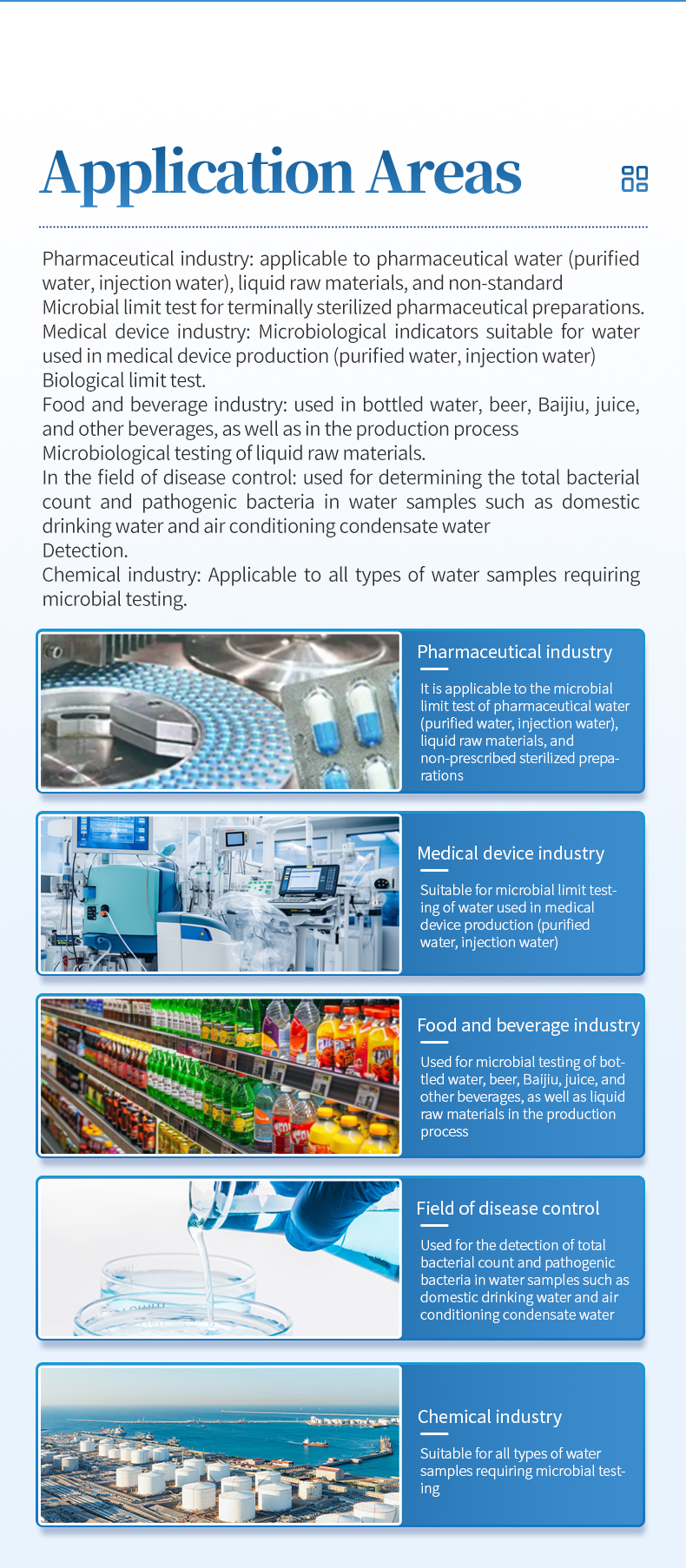
- Pharmaceutical purified water and WFI routine testing. Daily microbiological limit examination per pharmacopoeia with documented timer settings and autoclavable cups for cost-effective high-frequency sampling schedules.
- Regulatory audit-ready documentation. Touchscreen timer settings provide visual record of filtration parameters applied, supporting GMP inspection traceability requirements without manual log entries.
- Medical device manufacturing water monitoring. Validated sterile filtration with autoclavable stainless cups and programmable timing for consistent process water quality assessment.
- Food and beverage quality assurance. Microbiological examination of bottled water, beer, juice, and dairy products with repeatable digital timer-controlled filtration for quality certification programs.
- CDC and public health laboratory water testing. Standardized microbiological analysis of drinking water and environmental water samples with instrument-controlled filtration duration for inter-laboratory comparability.
- Cosmetics and personal care product testing. Microbial limit examination of liquid formulations with documented filtration conditions supporting product safety compliance.
Key Features & Advantages
- 5-inch touchscreen with programmable timers. Set precise filtration durations per channel — eliminates operator-dependent timing variability, improving test reproducibility and supporting GMP data integrity requirements.
- Digital operation visibility. On-screen display of active channel status, timer countdown, and filtration parameters provides immediate visual documentation for supervisory review and audit trail support.
- Autoclavable stainless steel filter cups. Ø47mm/Ø50mm, 100 mL cups withstand repeated 121°C autoclave cycles — validated sterility assurance without disposable cup procurement, storage, or waste management costs.
- Long-term cost elimination. Over the instrument's service life, autoclavable cup reuse generates cumulative savings that substantially exceed the initial investment compared to continuous disposable cup purchasing.
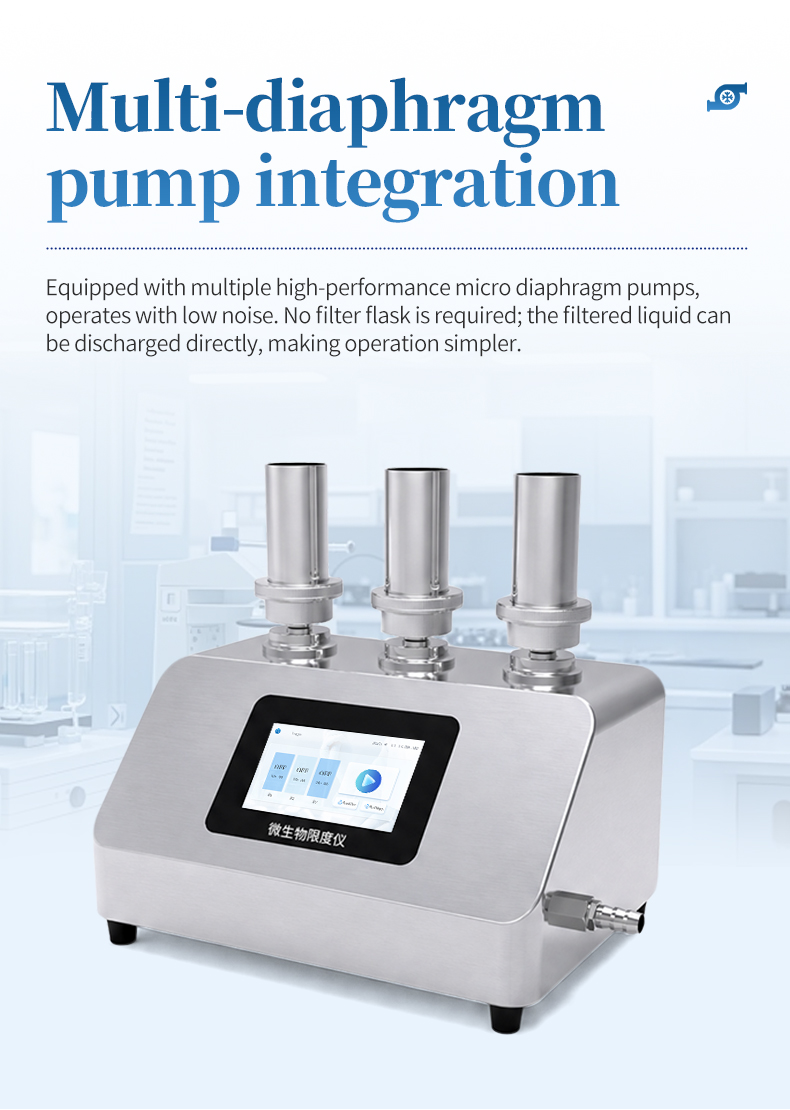
- Dual diaphragm pump system. Two integrated pumps with direct discharge simplify setup, reduce validation workload, and eliminate external vacuum flask cleaning requirements.
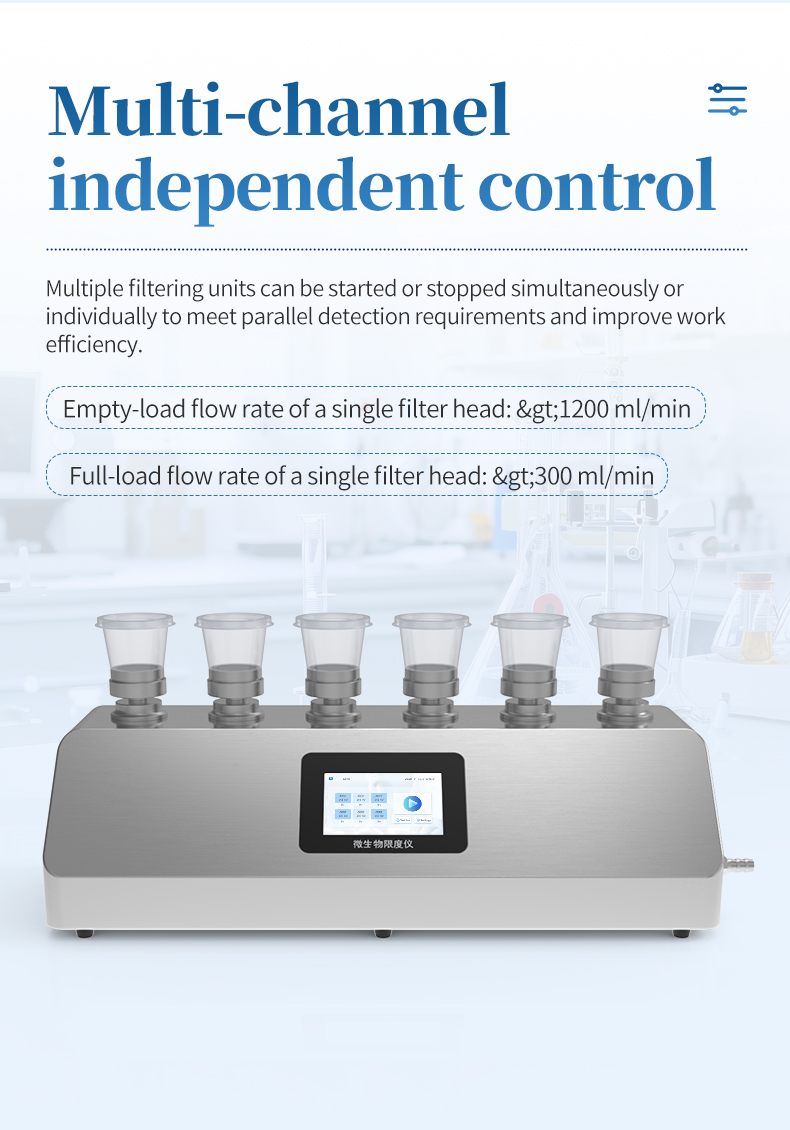
- Touchscreen channel control. Independent on-screen start/stop for each channel enables flexible workflow management — all three channels simultaneously or individual sequential processing.
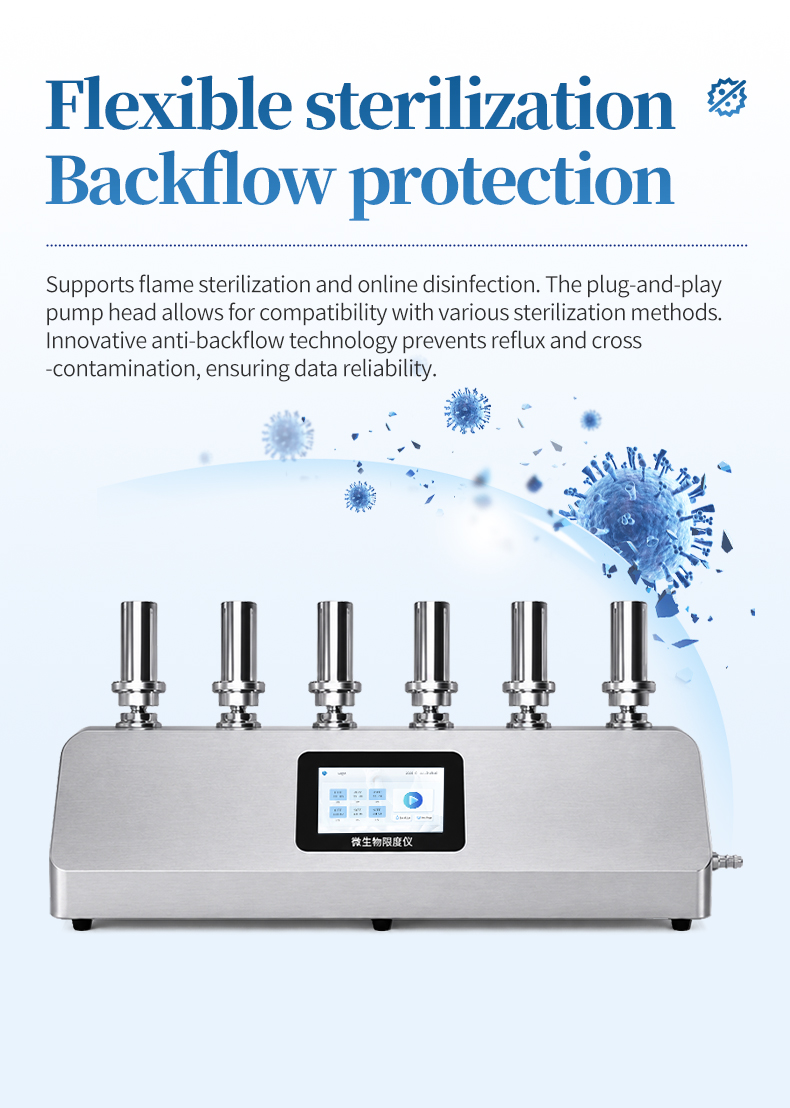
- Flame sterilization compatible. Filter heads support rapid thermal decontamination between consecutive samples on the same channel for high-throughput testing sessions.
- Anti-backflow protection. Check valves in each pump channel prevent reverse flow, ensuring each filtration processes only the intended sample for GMP compliance.
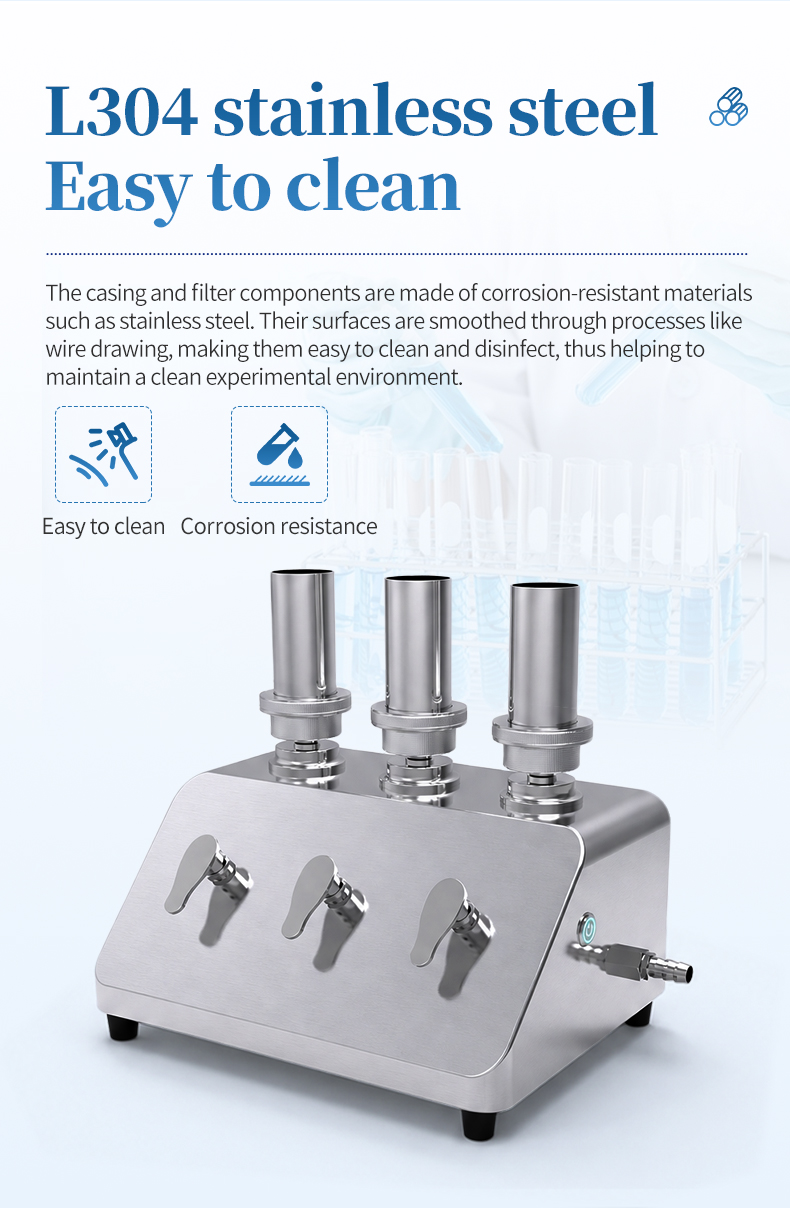
- L304 stainless steel enclosure. Brushed corrosion-resistant finish withstands routine laboratory disinfection and maintains professional appearance throughout service life.
- Direct discharge design. Eliminates intermediate waste collection vessels, reducing contamination points and post-test cleanup time.
- High flow rate performance. >1000 ml/min no-load and >450 ml/min full-load per filter head ensures samples are processed within standard protocol timeframes.
- Compact and lightweight. 363 × 238 × 202 mm at 6.0 kg — fits on standard QC laboratory benches without dedicated floor space or infrastructure modifications.
Technical Specifications
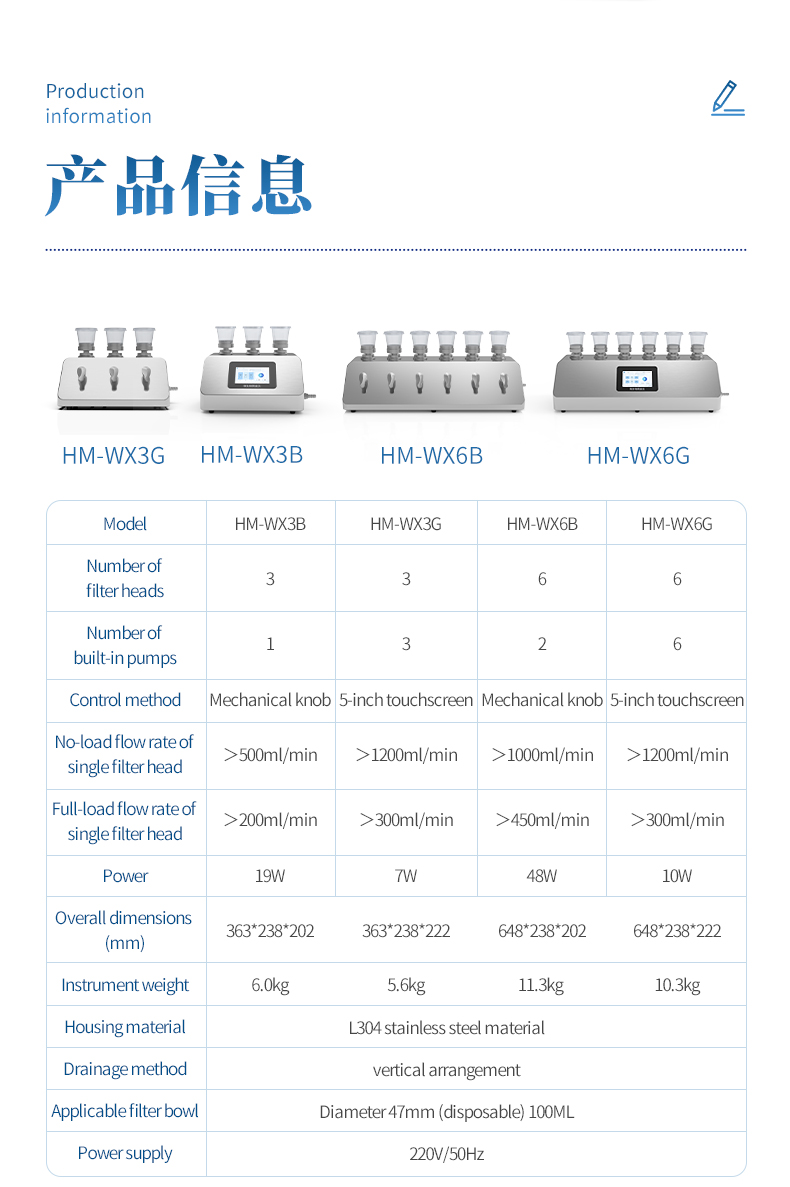
| Parameter | Specification |
|---|
| Model | HM-WX3G+ |
| Power supply | 220V / 50Hz |
| Power consumption | 48W |
| Number of filter heads | 3 |
| Built-in pumps | 2 diaphragm pumps |
| Discharge method | Direct discharge |
| Control type | 5-inch touchscreen |
| Applicable filter cup | Ø47mm/Ø50mm stainless steel 100 mL (autoclavable, reusable) |
| Single filter head flow rate (no load) | >1000 ml/min |
| Single filter head flow rate (full load) | >450 ml/min |
| Housing material | L304 stainless steel |
| Dimensions | 363 × 238 × 202 mm |
| Weight | 6.0 kg |
FAQ
Q1: How does the programmable timer improve GMP compliance compared to manual timing?In GMP pharmaceutical testing, data integrity requires that test conditions be reproducible and documented. Manual stopwatch timing introduces operator-dependent variability — different technicians may start or stop the filtration at slightly different moments, leading to inconsistent sample volumes filtered. The HM-WX3G+ touchscreen allows the laboratory to define standard filtration durations that are executed identically by the instrument each time, regardless of which technician operates the system. The on-screen timer display provides a visual record of the exact duration applied to each sample, supporting audit trail documentation without relying on manual log entries. This instrument-controlled timing directly addresses a common GMP inspection finding related to test reproducibility and operator-dependent variability.
Q2: Can each of the three channels have a different timer setting?Yes. The 5-inch touchscreen interface allows independent timer programming for each of the three filtration channels. This is valuable when processing samples with different viscosity characteristics or different pharmacopoeial test method requirements simultaneously. For example, a purified water sample may require a different filtration duration than a more viscous liquid pharmaceutical product — both can be processed in parallel with each channel operating at its own programmed timer setting. The touchscreen displays all three timer countdowns simultaneously, allowing the operator to monitor progress at a glance.
Q3: What documentation does the touchscreen provide for regulatory audits?The 5-inch touchscreen displays the active filtration timer settings, channel status, and operational parameters for each test run. While the instrument provides on-screen visibility of test conditions during operation, laboratories should supplement this with their standard documentation practices — such as photographing the screen at test start and completion, or recording the displayed parameters in batch records. The key regulatory advantage is that the instrument-controlled timer ensures the filtration duration is objective and reproducible, rather than dependent on an individual operator's manual stopwatch technique. This directly addresses data integrity concerns raised during GMP inspections regarding test condition consistency.
Q4: How does the touchscreen system handle power interruptions during a filtration cycle?If a power interruption occurs during an active filtration cycle, the timer and pump operation will stop. Upon power restoration, the system restarts and the operator can re-initiate the filtration from the beginning. For critical GMP applications, it is recommended to connect the instrument through an uninterruptible power supply (UPS) to prevent test interruption. This is consistent with standard GMP laboratory practice for sensitive instrumentation, and the 48W power consumption is well within the capacity of common laboratory UPS units.
Q5: How do autoclavable cups integrate into a validated pharmaceutical QC workflow?In a validated pharmaceutical QC workflow, the stainless steel filter cups follow a standard autoclave sterilization cycle (typically 121°C for 15–20 minutes) after each test session. The autoclave cycle is itself a validated sterilization process with established temperature and time parameters, documented in the facility's sterilization validation protocol. After autoclaving, the cups are stored under standard sterile conditions until the next test session. The reusable cup workflow is analogous to the validated re-sterilization of stainless steel pharmaceutical manufacturing equipment, and the validation approach follows the same principles — demonstrate that the autoclave cycle achieves the required sterility assurance level, and document the cycle parameters in the batch record.
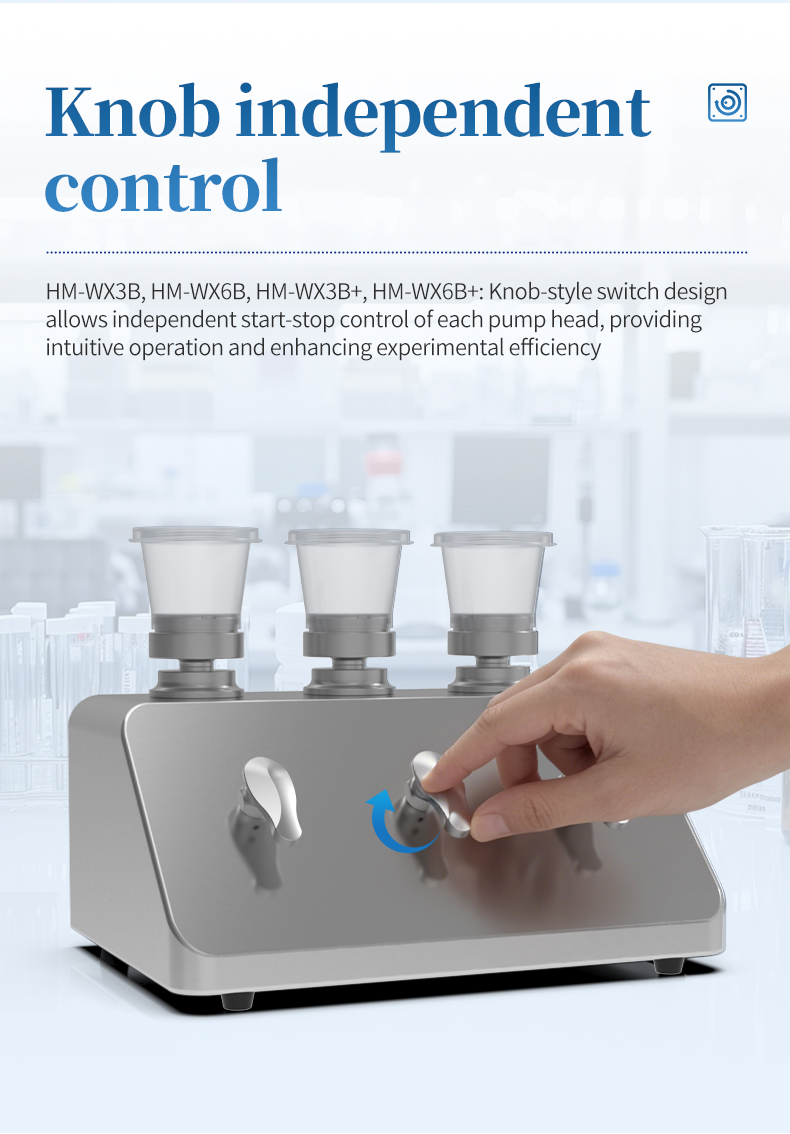
Q6: Is the touchscreen interface intuitive for technicians transitioning from mechanical controls?Yes. The 5-inch touchscreen uses a straightforward graphical interface with clearly labeled channel buttons and timer input fields. Technicians familiar with mechanical knob systems can quickly adapt — the primary difference is selecting timer values on-screen rather than turning a physical knob and using a separate stopwatch. The touchscreen actually simplifies operation by consolidating channel control and timing into one interface, eliminating the need to manage a separate timer device. Most laboratories report that technicians become proficient with the touchscreen interface within the first day of use.
Q7: What is the return on investment for the touchscreen + autoclavable cup combination?The HM-WX3G+ delivers ROI through two mechanisms: consumable cost elimination and operator time savings. Autoclavable stainless steel cups eliminate disposable cup purchases — for a laboratory processing 20 samples per day, the annual savings from eliminated disposable cup purchases are substantial. The programmable timer eliminates manual stopwatch operation, reducing per-sample hands-on time and improving throughput. Combined, these savings typically recover the instrument investment within the first year of operation for a laboratory with moderate-to-high daily sample volumes, while simultaneously improving test reproducibility and GMP documentation quality.
Article address:
https://www.environmentinstrum.com/pro15/touchscreen-microbial-limit-tester-pharma-qc.html



 +86 17853698681